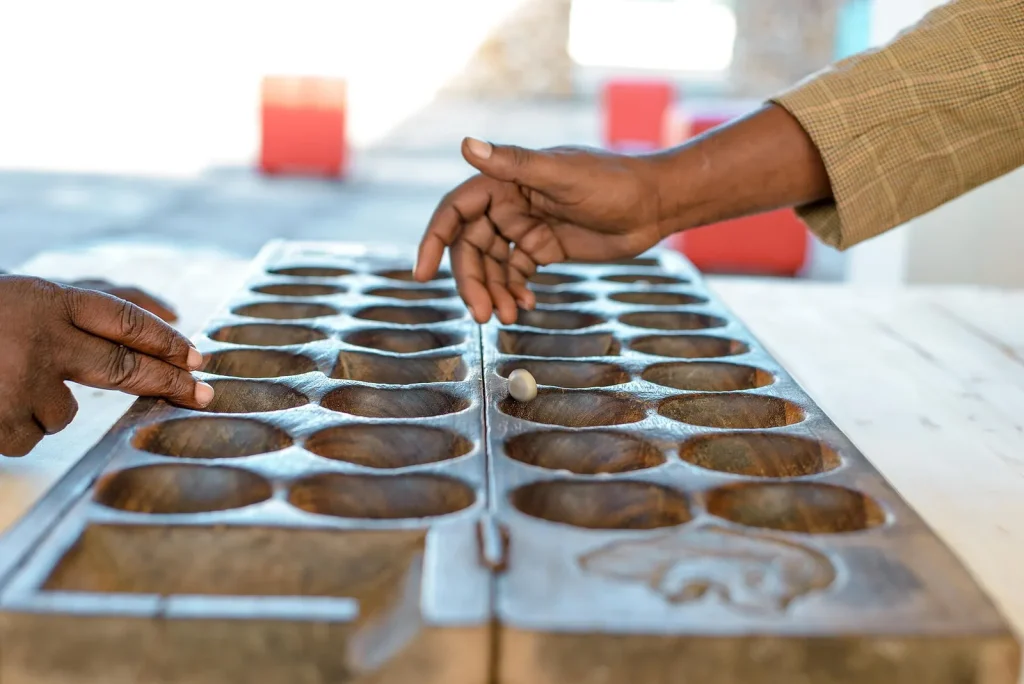
A good board game night starts with matching the game to the group: light, quick games for newcomers, cooperative games for mixed ages, and deeper strategy for enthusiasts. Keep the rules simple and the pace lively. These ideas help you plan for almost any crowd.
Plan your board game night around the group
The same game can delight one table and bore another. Think about who is coming, how long you have, and how much patience for rules they will have.
Beginners usually prefer games they can learn in five minutes. Seasoned players may relish a longer challenge. If the group is mixed, start light and build up.
Game types at a glance
| Type | Good for | Typical feel |
|---|---|---|
| Party and word games | Large groups, newcomers | Loud, funny, fast |
| Cooperative games | Families, mixed skills | Everyone wins or loses together |
| Card and set-collection games | Two to five players | Quick turns, easy rules |
| Strategy and building games | Keen players | Longer, thoughtful, competitive |
| Quick filler games | Warm-ups and gaps | Ten to twenty minutes |
Matching games to group size
Count heads before you pick. Many strategy games shine at three or four players, while party games stretch to eight or more. If you have an awkward number, such as five, check the box for the supported range.
- Two players: head-to-head card games, abstract strategy, or cooperative puzzles.
- Three to four: the sweet spot for most modern board games.
- Five to eight: party games, team-based word games, and hidden-role games.
- Large groups: split into teams or run two tables.
Teaching the rules without killing the mood
Rules explanations can sink an evening. Read the rulebook beforehand if possible, and explain the goal of the game first, then the turn structure, then exceptions. Play a quick practice round rather than covering every rule.
Having a one-page summary or video on hand helps, and it is perfectly fine to say “we will work it out as we go”.
A sample evening plan
- Arrival and snacks, with a quick filler game to warm up.
- The main game, about 45 to 60 minutes.
- A break for drinks and chat.
- A short, silly closer that everyone can join.
If you like a spoken quiz element, you could end with a round from our guide to how to host a trivia night.
Making it friendly for everyone
Not everyone enjoys cut-throat competition, so cooperative games or lighter scoring can keep things relaxed. Rotate who picks the game, so one person does not dominate the choice. Be mindful of tables with small pieces if younger children are present.
Snacks should be easy on the fingers. Cards and boards do not enjoy greasy crisps, so pick finger foods or provide napkins. The tips in our movie night guide on snacks and seating carry over well here.
Keep a regular night going
A monthly date, a shared list of games people want to try, and a simple rotation of hosts will keep momentum. Some groups combine it with a theme dinner, and others pair it with a karaoke night for a lively change of pace.
Snacks, seating, and table setup
Clear the table before anyone arrives, and make sure there is space for the board, cards, and a drinks side table. Good lighting matters more than people expect, since small text on cards is easy to misread in a dim room.
Offer snacks that leave hands clean, such as nuts, fruit, or crackers. Keep drinks on a separate surface, because a spilled glass can end a favourite game in seconds. Sorting game pieces into small bowls or trays makes setup faster, too.
Games for different moods
- Relaxed and chatty: light card games and word games that leave plenty of room for conversation.
- Silly and loud: drawing, charades-style, and team guessing games.
- Brainy and quiet: puzzle-like strategy games with little luck.
- Family friendly: cooperative games with simple turns and bright components.
It helps to keep a small shelf of tried-and-tested favourites, then add one new game every month or two. That way guests always have something reliable to fall back on.
A final tip is to keep a gentle eye on the clock. Games tend to run longer than the box suggests when new players are learning, so budget extra time and have a shorter backup ready. If the mood dips, switch to something quick and lively rather than pushing through a long turn. The goal is a happy table, and nobody remembers who won last month, only who made them laugh.
Key takeaways
- Choose games to fit the group, not your own favourites alone.
- Teach the goal first and play a practice round.
- Mix quick fillers with one main game.
- Rotate hosts and picks to keep it fresh.
More ideas live in our entertainment archive.
Frequently asked questions
What are the best board games for beginners?
Look for games with short rules and playtimes under an hour. Simple card games, party games, and cooperative puzzles are popular starting points.
How long should a game night last?
Two to three hours suits most groups, with one main game and a few shorter ones.
How do I handle a competitive player?
Choose cooperative games, set friendly expectations, and keep stakes light.
Photo: Bao Playing (Board game) by Rasheedhrasheed, CC BY-SA 4.0, via Wikimedia Commons