Finance
Personal finance basics on budgeting, emergency funds, credit scores, compound interest and paying off debt. General information only.


Emergency Fund Basics: How Much to Save and Where to Start
An emergency fund is cash set aside for unexpected costs; here is how to size it, where to keep it and how to build it in small steps.

Tax Season Organization: A Simple Checklist for Your Paperwork
Good tax season organization means collecting documents as they arrive, keeping tidy records and setting reminders so filing is calmer.
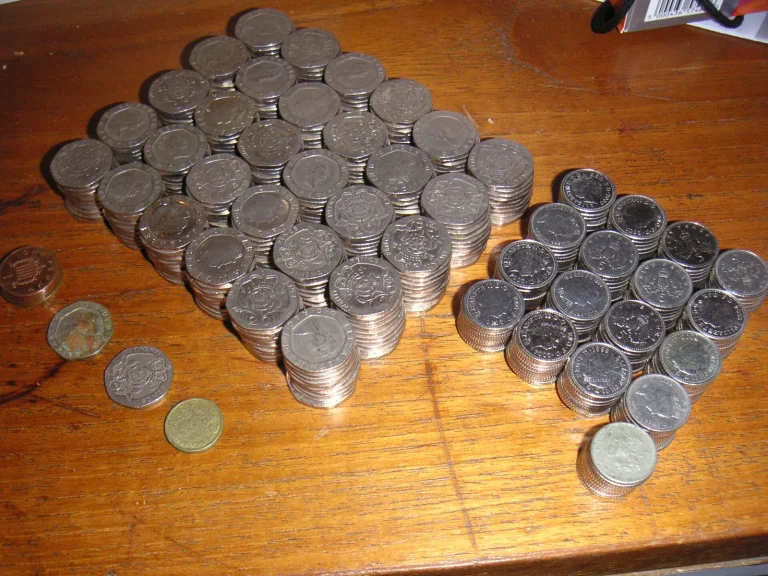
Saving for a Goal: A Step-by-Step Plan That Fits Your Budget
Saving for a goal is easier when you set a target, divide it by a deadline and automate the amount. This plan shows each step.

The 50/30/20 Budget Rule: A Simple Way to Split Income
The 50/30/20 budget rule is a starting framework for dividing take-home pay; this guide shows how to apply it and when to bend it.

Debt Snowball vs Avalanche: Which Payoff Method Fits You?
Debt snowball vs avalanche: one pays smallest balances first for momentum, the other targets the highest rate to cut interest. Compare them here.

How to Read a Pay Stub: Every Line Explained Simply
To read a pay stub, start with gross pay, follow the deductions and taxes, and arrive at net pay. Here is what each line usually means.

Compound Interest Explained With a Simple Worked Example
Compound interest is interest earned on both your original amount and past interest. This worked example shows how it builds over time.