Veterans Day, observed on November 11, honors all those who have served in the United States military, living or deceased. Memorial Day, observed on the last Monday of May, remembers those who died while serving. The two are easy to mix up, and the difference shapes how each day is observed.
This comparison explains the history, how people take part and respectful ways to show appreciation without turning either occasion into a sale.
The short comparison
| Feature | Veterans Day | Memorial Day |
|---|---|---|
| Date | November 11 | Last Monday of May |
| Who it honors | All who have served, living and deceased | Those who died in service |
| Tone | Gratitude and recognition | Mourning and remembrance |
| Typical activities | Ceremonies, parades, thanks to veterans | Cemetery visits, flags, moments of silence |
How Veterans Day began
The date traces to the end of World War I. Fighting stopped under an armistice that took effect at the eleventh hour of the eleventh day of the eleventh month in 1918. The first observance, called Armistice Day, took place in 1919 and was later made a legal holiday. In 1954 the US renamed it Veterans Day to honor veterans of all wars.
November 11 is also observed in other countries. In the UK and many Commonwealth countries the day is known as Remembrance Day, and poppies are worn as a symbol of remembrance. Remembrance Sunday, held on the second Sunday of November in the UK, is also a major occasion.
How Memorial Day began
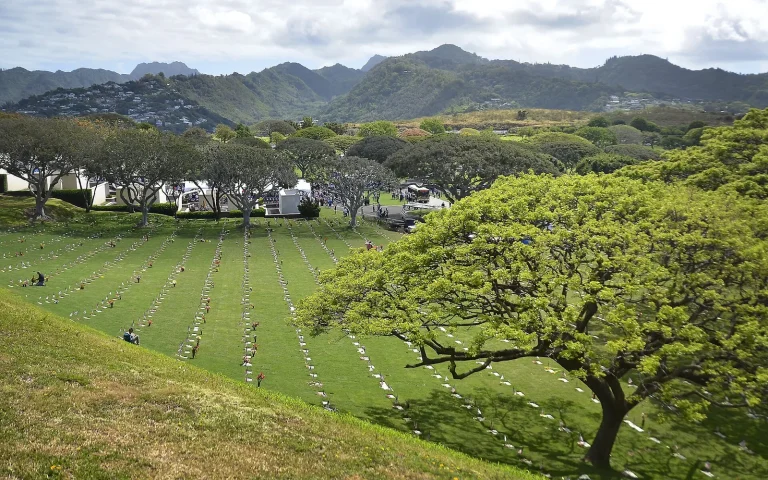
Memorial Day grew out of the aftermath of the American Civil War, when communities decorated the graves of fallen soldiers. It was originally called Decoration Day, and several towns have claimed to be the first to hold such an observance, so the exact origin is disputed. The holiday later expanded to honor those who died in all US wars and is observed on the last Monday of May.
Respectful ways to mark Veterans Day
- Thank a veteran directly, and listen if they want to talk.
- Attend a local ceremony or parade.
- Invite a veteran to speak at a school or community meeting, if they are willing.
- Volunteer with a local veterans’ organization.
- Fly the flag following standard flag etiquette.
- Write a letter or card to a veteran you know.
What to say, and what to avoid
A simple “thank you for your service” is generally welcome. Avoid asking about combat experiences unless the person raises them, since some veterans prefer not to discuss them. Not every veteran has the same experience, so follow their lead.
Teaching children the difference
A helpful frame for young children is: Memorial Day is for remembering people who did not come home, and Veterans Day is for thanking people who did. Reading age-appropriate books, visiting a local memorial or interviewing a family member who served can make the history more real.
For classroom ideas, reading activities can be adapted to include biographies or letters from service members. The theme of giving thanks continues in Thanksgiving, which arrives only a couple of weeks later.
Workplace and community observance
Organizations can mark the day without much cost. A short moment of recognition in a meeting, a list of employees who are veterans who wish to be acknowledged, or a donation drive for a veterans’ charity all work. Ask for consent before highlighting individuals publicly. Some prefer privacy. For ideas that carry the same spirit, see workplace kindness ideas.
Other ways countries remember
Many countries have a day set aside to honor those who served. The date, name and customs differ, but the themes are similar: gratitude, remembrance and a pause in ordinary routines. If you have friends or colleagues from other countries, ask how their communities mark the day. The conversation often reveals shared values and offers a respectful way to learn.
Whatever the date, the best observance is sincere and unhurried. A quiet minute, a handwritten note or an hour of volunteering fits the spirit better than anything elaborate.
Key takeaways
- Veterans Day is observed on November 11 and honors all who have served.
- Memorial Day is observed on the last Monday of May and remembers those who died in service.
- Veterans Day began as Armistice Day after World War I and was renamed in 1954.
- Respectful gestures include thanks, ceremonies, volunteering and listening.
Other commemorative dates can be found in the Holidays & National Days category.
Frequently asked questions
What is the difference between Veterans Day and Memorial Day?
Veterans Day honors everyone who has served in the US military, while Memorial Day remembers those who died in service.
When is Veterans Day observed?
It is observed on November 11 each year.
Why is Veterans Day on November 11?
The date marks the armistice that ended fighting in World War I at the eleventh hour of the eleventh day of the eleventh month in 1918.
Is Remembrance Day the same as Veterans Day?
They fall on the same date and share roots in the 1918 armistice, but Remembrance Day is observed in the UK and Commonwealth countries and has its own traditions, including poppies.
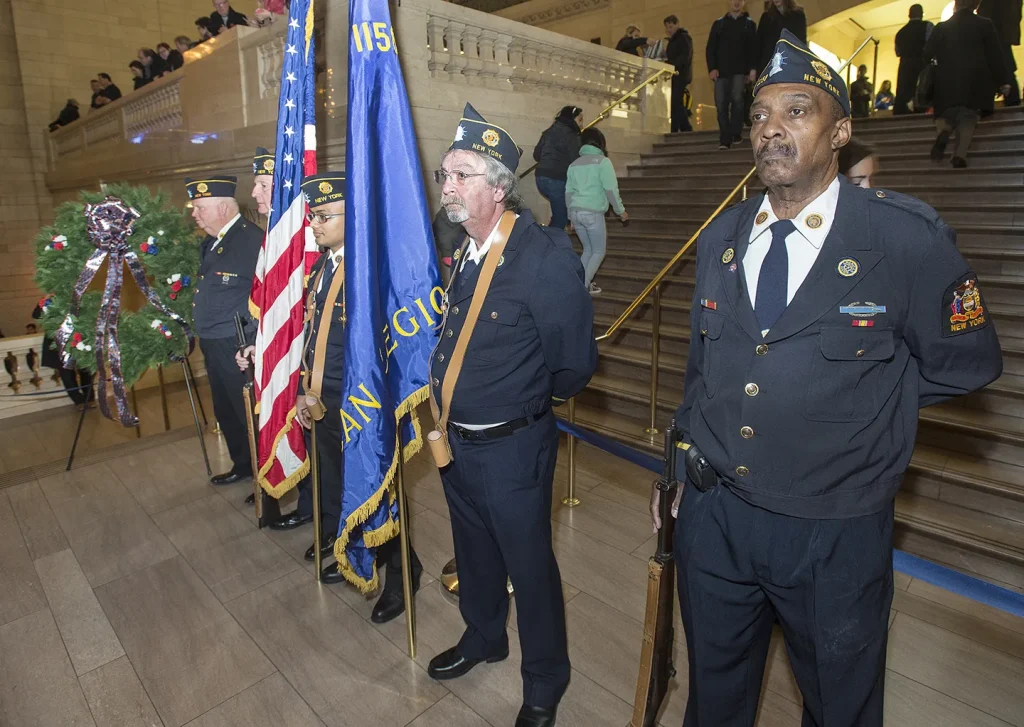
Photo: Grand Central Veterans Day ceremony by Metropolitan Transportation Authority of the State of New York, CC BY 2.0, via Wikimedia Commons