An emergency fund is a stash of easily accessible money set aside for unexpected costs, such as a car repair, a medical bill or a gap in income. A common guideline is to save three to six months of essential expenses, but starting with even a small cushion is worthwhile.
This guide covers what the fund is for, how to size it, where it should sit and how to build it gradually.
What counts as an emergency?
A real emergency is unexpected, necessary and urgent. A burst pipe, an urgent travel need for a family crisis, a sudden job loss and an unplanned vet bill all qualify. A sale on a television or a planned holiday does not.
Predictable costs such as annual insurance or car servicing should have their own sinking funds, which are small, regular savings for known expenses. This keeps the emergency fund for true surprises.
How big should an emergency fund be?
The three to six months guideline refers to essential spending: housing, food, utilities, transport, insurance and minimum debt payments. It does not include wants. The right size depends on how stable your income is, how many people depend on it and what safety nets you already have.
| Situation | Possible target | Why |
|---|---|---|
| Just starting | One small buffer, such as one month of essentials | A first milestone that feels reachable |
| Stable job, shared costs | About three months | Lower risk of long income gaps |
| Single income or dependants | Four to six months | More at stake if income stops |
| Self-employed or irregular income | Six months or more | Income can drop suddenly |
A worked example
Suppose your essential monthly costs are 2,000: rent, food, utilities, transport and insurance. Three months of essentials would be 6,000, and six months would be 12,000. That may sound intimidating, so break it into milestones: 500, then 1,000, then one month at 2,000.
At 150 a month, reaching 1,000 would take under seven months. Seeing the steps makes the goal feel achievable.
Where to keep an emergency fund
The key qualities are safety and access. The money should be easy to reach quickly and not exposed to the ups and downs of markets. Many people use a separate savings account that is easy to get to but not linked to day-to-day spending, which reduces temptation.
Check how the account is protected where you live, as deposit protection schemes and limits differ by country.
Common mistakes to avoid
One mistake is waiting until the fund can be perfect before starting. A small balance still helps with minor surprises and builds the habit. Another is keeping the money in an account so convenient that it gets spent on ordinary purchases.
A third is raiding the fund for something that is merely inconvenient. A simple rule helps: write down the question “is it unexpected, necessary and urgent?” and answer it honestly before you transfer any money out.
How to build it without strain
Automate a small transfer
Set a standing transfer for payday, even a modest amount. Money moved before you see it is much easier to save.
Redirect windfalls
Tax refunds, bonuses and gifts can accelerate the fund. Put part, or all, of them into savings first.
Trim a want for a few months
Temporarily pausing a subscription or reducing takeaways can free up cash quickly. Our guide to the 50/30/20 budget rule shows how to find room in your wants.
Using the fund and refilling it
When a true emergency happens, use the fund without guilt; that is its purpose. Then rebuild it by returning to your saving routine. If you also carry high-interest debt, many people build a starter cushion first and then work on the debt; see debt snowball vs avalanche for repayment strategies.
Once the fund is in place, you can think about other targets with saving for a goal. For more explainers, visit the finance archive.
This article is general educational information, not financial, tax or legal advice; please consult a qualified professional about your own situation.
Key takeaways
- An emergency fund covers unexpected, necessary costs, not planned spending.
- A typical goal is three to six months of essential expenses, built in milestones.
- Keep it safe and accessible, separate from everyday money.
- Automate small transfers and refill the fund after use.
Frequently asked questions
Should I pay off debt or build an emergency fund first?
Many people build a small starter cushion first so that surprise costs do not push them further into debt, then work on repayment. The right balance depends on your situation.
Is three months enough?
It can be for people with stable jobs and few dependants. Those with variable income or families to support often aim for more.
Can I invest my emergency fund?
The fund’s purpose is stability and quick access, so many people keep it in a safe, accessible account rather than anything that can fall in value.
What if I cannot save much?
Start small. Even a modest regular amount builds a habit, and a little cash can prevent the need to borrow for minor emergencies.
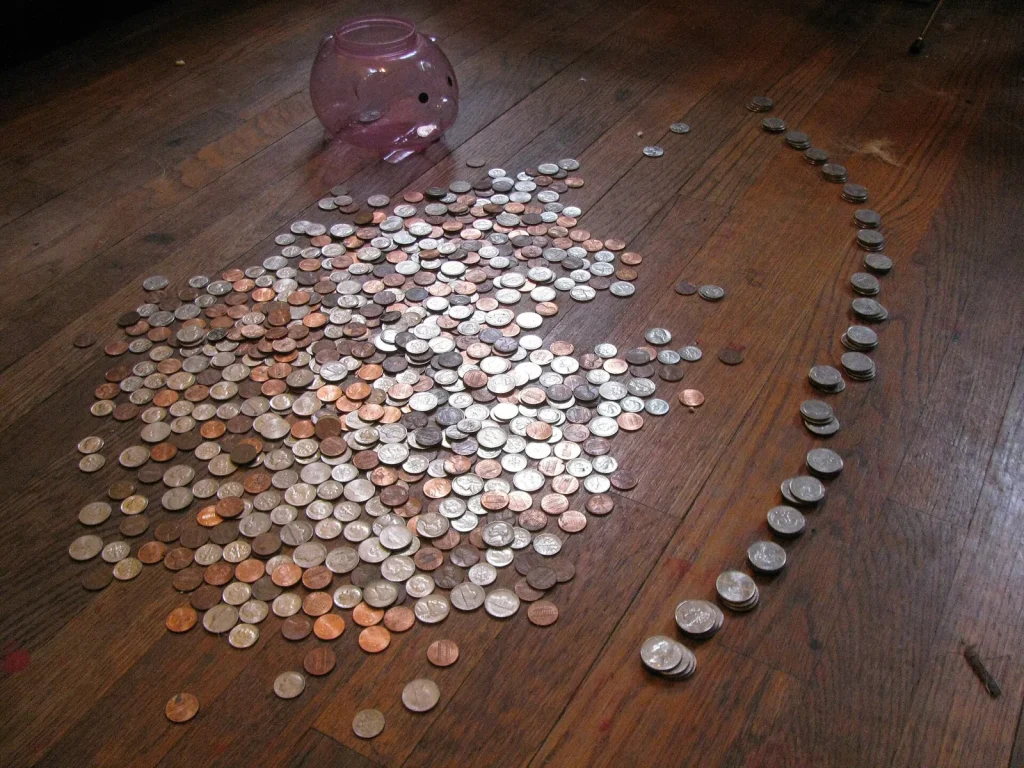
Photo: Emptied Piggy Bank by Eden, Janine and Jim from New York City, CC BY 2.0, via Wikimedia Commons