To choose a pet sitter, look for relevant experience, clear references, good communication and a calm manner with your animal, then confirm everything at a meet and greet. A trustworthy sitter asks about your pet’s routine and health rather than simply saying yes.
Leaving a pet is stressful for owners too. A structured approach turns guesswork into a decision you can feel good about.
Decide what kind of care your pet needs
Start with your pet, not the sitter. A young puppy needs frequent toilet breaks and company, an older cat may need medication at set times, and a nervous rescue dog might be most comfortable at home. Fish and small pets need different, but still reliable, checks.
Write down the daily tasks, such as feeding, walks, litter cleaning and play. This list shapes the questions you ask later.
Compare your main options
| Option | Often suits | Consider |
|---|---|---|
| Friend or family | Easygoing pets, short trips | Do they have time and know your routine? |
| Visiting sitter | Cats and small pets, adult dogs | Visit length and gaps between visits |
| Live-in sitter | Pets who need company | Trust and house rules |
| Boarding facility | Social, adaptable pets | Staffing, space and routines |
Questions to ask before you choose a pet sitter
- What experience do you have with my kind of pet, age and health needs?
- Can you give medication or special feeding instructions?
- Are you insured or covered for accidents, and do you have references?
- What is your plan if my pet becomes ill or escapes?
- How and how often will you update me?
- Do you have a backup if you cannot make a visit?
Insurance and credentials vary by region, so ask what applies where you live rather than assuming. Listen to the answers: calm, specific ones are more reassuring than vague promises.
Run a meet and greet
Invite the sitter to your home, ideally a few days before you leave. Watch how they approach your pet. A good sitter lets the animal come to them, speaks softly and asks permission before petting.
Show them where supplies, leashes, litter and cleaning items are kept, and walk through your routines. Reading your dog’s responses matters here, and our dog body language guide can help you judge comfort levels.
Prepare clear written instructions
- Your contact details and a second emergency contact
- Your vet’s name and number, and any emergency clinic
- Feeding amounts and times, and any medication notes
- Walk routes, exercise needs and toilet habits
- Quirks and fears, such as thunderstorms or doorbells
- Safe and unsafe items, including plants, foods and areas, as in the pet-safe houseplants guide
Give your vet a heads-up that someone else may bring your pet in, and consider written permission for emergency care. Make sure ID tags and microchip details are current.
Plan for different pets
Dogs need dependable exercise and company; see dog exercise needs by size and age for ideas. Cats usually need litter cleaning, fresh water and playtime, and the sitter may benefit from the basics in our litter box guide. For fish, leave clear feeding amounts, since overfeeding is a common problem, and read our starter aquarium guide for the basics. More ideas are in the Pets category.
Trust your instincts after the trial
If possible, try a short trial first, such as a few hours or one overnight. Ask for photos and updates, and notice how your pet looks when you return. If something feels off, it is perfectly fine to try someone else.
Think about the day you return
A good handover does not end when you walk through the door. Ask your sitter to share any changes they noticed, such as appetite, toilet habits or mood. Check food and water, and look around for anything out of place. Settling back into the usual routine quickly is comforting for most animals. If the arrangement went well, tell the sitter what worked, and keep their details handy for next time, because a trusted sitter is worth keeping.
Key takeaways
- Match the type of care to your pet’s age, health and temperament
- Ask specific questions and check references
- Always hold a meet and greet, and leave written instructions
- Share vet details and update ID before you go
This article is general information, not veterinary or legal advice; please consult your veterinarian about your pet’s care needs and check local rules on pet-sitting services.
Frequently asked questions
How far ahead should I book a pet sitter?
As early as you can, especially around school holidays and public holidays. Good sitters often book up quickly.
Should I do a meet and greet?
Yes. Meeting at your home lets you see how the sitter interacts with your pet and lets them see the layout, routines and supplies.
What should I leave for the sitter?
Leave written feeding and medication instructions, contact details for you and your vet, emergency contacts, and a note about habits or fears.
Is a sitter or boarding better?
It depends on your pet. Some animals prefer their home routine, while others do fine in a well-run facility. Think about your pet’s age, health and temperament.
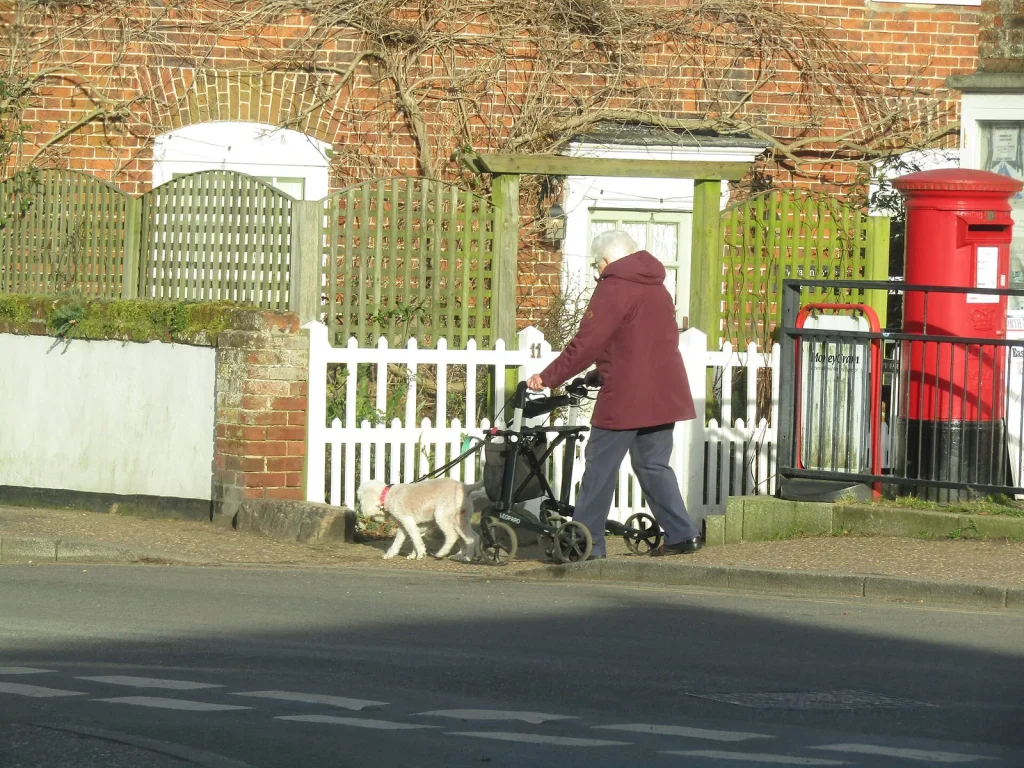
Photo: -2022-02-11 Dog walker, High Street, Mundesley by Kolforn (Kolforn) I'd appreciate if you could mail me (Kolforn@gmail.com) if you want to u, CC BY-SA 4.0, via Wikimedia Commons