To prepare for a new puppy, get down to puppy height, remove or block anything chewable or toxic, create one safe resting space, and set a simple daily routine. Do this before pickup day and the first week goes much more smoothly for everyone.
Puppies explore with their mouths, they cannot yet tell a slipper from a toy, and they have no idea which cables matter. Your job is to make the right choices easy and the wrong ones impossible.
Start by seeing your home from puppy height
Get on your hands and knees and slowly walk through each room. Anything you can reach, a puppy can reach: dangling cords, houseplants, shoes, kids’ toys, TV remotes, and the wastebasket under the desk.
Make a short list as you go. Most hazards are fixed in minutes by moving things higher, shutting a door or using a baby gate. It is far easier to prevent a problem than to correct it afterwards.
Room-by-room new puppy checklist
Kitchen and dining area
Kitchens hold some of the biggest risks. Chocolate, grapes and raisins, onions, and anything sweetened with xylitol are well known to be dangerous for dogs, so keep them in closed cupboards. Use a bin with a secure lid, and keep cleaning products on high shelves or behind child-safe latches.
Living room
Tuck electrical cords behind furniture or into cord covers. Move small objects off low tables, and keep an eye on houseplants, since many common ones are unsafe if chewed. Our guide to pet-safe houseplants explains how to check before you buy.
Bedrooms and bathrooms
Close the doors, or at least keep laundry baskets, socks and medicine out of reach. Medications of any kind, including your own, should live in a closed cabinet.
Garden and entrances
Walk the fence line looking for gaps, check gates latch properly, and store garden chemicals and tools out of reach. If your puppy will use a yard for toilet breaks, choose one spot and take your puppy there each time.
Set up a safe space and a sleeping spot
Choose a quiet corner that is not too close to a busy doorway. A crate with a comfy bed, or a playpen with a bed and water, gives your puppy a place to rest and gives you a place to put the puppy when you cannot supervise.
Introduce it gently. Toss in treats, let your puppy walk in and out, and never use it as punishment. A puppy who sees the crate as a bedroom is far easier to settle at night.
The basic supplies, without the shopping spree
You do not need a mountain of gear. A short list covers nearly everything.
- Food and water bowls, plus the food the breeder or shelter has been feeding, so you can change diet gradually
- A well-fitted collar or harness, an ID tag and a lightweight lead
- A crate or playpen, a bed and washable blankets
- Several safe chew toys in different textures
- Poop bags, enzyme-free paper towels and a pet-safe cleaner for accidents
- A soft brush and a nail trimmer for later, which you can read about in our home grooming basics
Plan the first week
Puppies thrive on routine. Wake, eat, play, toilet and nap at roughly regular times, and take your puppy out after meals, naps and play sessions. Expect frequent trips, including some overnight at first.
Book a vet check early, ideally within the first few days, to discuss vaccines, parasite prevention, microchipping and when your puppy can safely meet other dogs. Keep the first days quiet and let visitors wait until your puppy has settled in.
| Time of day | Sample puppy routine |
|---|---|
| Morning | Toilet trip, breakfast, short play, toilet again, nap |
| Midday | Toilet trip, lunch, gentle training, supervised rest |
| Afternoon | Toilet trip, play or short outing as your vet advises, nap |
| Evening | Dinner, toilet trip, calm time, final toilet trip before bed |
Begin training and socialization gently
Training starts on day one, even if it is only learning a name, a toilet spot and a calm greeting. Reward the behavior you want with a small treat or praise, and keep sessions short, a few minutes at a time.
Socialization means calmly introducing your puppy to people, sounds and surfaces at a pace the puppy can handle. Learning to spot nervous signals helps here, so have a look at our guide to reading dog body language. Older puppies also need regular activity, and our overview of dog exercise by size and age gives a general picture. More ideas live in the Pets category.
Key takeaways
- Crawl through each room at puppy height and fix what you find
- Keep foods, medicines and cleaners locked away
- Offer one quiet, safe space and a predictable routine
- Book a vet visit early and ask about safe outings
This article is general information, not veterinary advice; please consult your veterinarian about your puppy’s health, vaccinations, diet and training needs.
Frequently asked questions
How early should I start preparing for a new puppy?
Ideally a week or two before pickup, so you have time to puppy-proof, buy basics and agree on house rules. Even a single afternoon of preparation helps a great deal.
Should my puppy sleep in my bedroom?
Many owners keep the crate or bed in their bedroom for the first few weeks because a young puppy may need nighttime toilet trips and reassurance. You can move the bed later once your puppy settles.
When can a puppy go outside?
This depends on vaccination status and local conditions, so ask your vet when it is safe for your puppy to visit public spaces and meet other dogs.
How do I stop a puppy chewing everything?
Chewing is normal teething and exploring behavior. Remove tempting items, offer plenty of safe chew toys, and redirect gently every time your puppy picks up something off-limits.
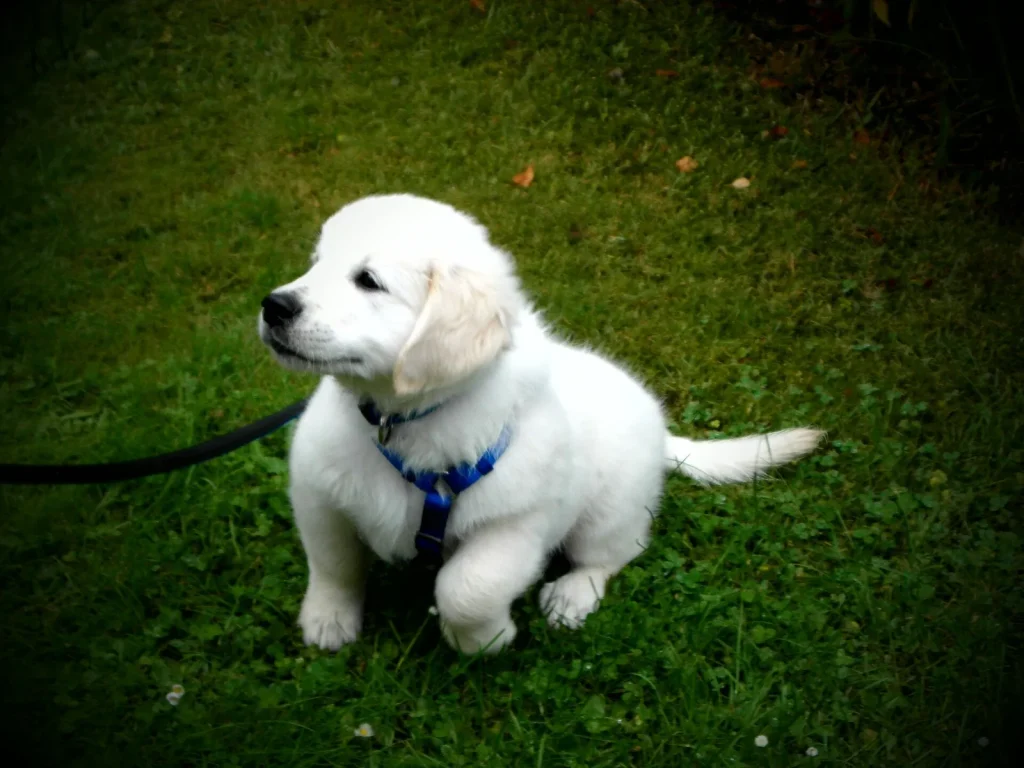
Photo: Golden Retriever Puppy by Johannnes89, CC BY-SA 4.0, via Wikimedia Commons