Dog body language is the way dogs communicate through posture, tails, ears, eyes and mouths, and the key is to read the whole picture rather than a single signal. A loose, wiggly body usually means comfort, while stiffness, lip licking or turning away can mean worry.
Most bites come as a surprise to owners, yet the dog has often been signaling discomfort for some time. Learning the quieter signs gives you a chance to help early.
Why dog body language needs the whole picture
One signal rarely tells the full story. A wagging tail can accompany a friendly greeting or a tense stand-off. Always combine what you see in the tail with the ears, eyes, mouth, weight distribution and the situation around the dog.
Context also matters. A dog panting after a run is fine; a dog panting in a quiet waiting room while yawning and avoiding eye contact may be anxious. Individual dogs and breeds differ too, since a curled tail or short ears can change how signals look.
Signs of a relaxed, comfortable dog
- Soft, slightly squinty eyes or a gentle blink
- Loose, wiggly body and smooth movements
- Ears in a natural position for that dog
- Mouth slightly open with a soft tongue, or closed and easy
- A tail held at a natural height, swinging loosely
- The play bow: front down, rear up, often an invitation to play
Early signs of stress or unease
These are the polite signals dogs use when they would like something to stop. They are easy to miss, so they are worth learning.
- Lip licking or nose licking when no food is around
- Yawning in a tense situation
- Turning the head or body away, or avoiding eye contact
- Showing the whites of the eyes, sometimes called whale eye
- Tucked tail, flattened ears or lowered body
- Shaking off as if wet, when the dog is dry
If you see several of these, give the dog space. Move away from whatever is bothering them, and let the dog retreat. This is especially important in a new household, so keep it in mind during the first week with a new puppy.
Reading the main body parts
| Body part | Relaxed | Possibly worried or tense |
|---|---|---|
| Tail | Loose, mid-height, wide swings | Tucked, very stiff or held rigidly high |
| Ears | Natural position | Pinned back or locked forward |
| Eyes | Soft, blinking | Hard stare or visible whites |
| Mouth | Soft, open or closed | Tight lips, lip licking, showing teeth |
| Posture | Loose and bouncy | Frozen, crouched or leaning away |
When a dog is telling you to back off
A dog that freezes, stares, stiffens, curls a lip or growls is giving a clear warning. Stay calm, avoid direct eye contact, and slowly create distance. Do not scold the dog for the warning, because a growl is useful information, and a dog who is punished for growling may stop warning you.
Try to work out the trigger. It could be a toy, a bone, being touched, a stranger approaching, or pain. A sudden change in tolerance deserves a vet check, as discomfort often looks like grumpiness.
Simple habits that help every day
Teach children to ask before petting, to pet along the shoulder rather than reaching over the head, and to leave dogs alone when they are eating or sleeping. Let dogs approach people at their own pace on walks and avoid forcing greetings.
Regular exercise and mental stimulation also lower stress, so look at our general guide to dog exercise by size and age. Handling and grooming become easier when you read your dog’s comfort level, and the home grooming basics article shows how to keep sessions short and relaxed. Browse more in the Pets category.
Key takeaways
- Read the whole body and the context, not one signal
- Learn quiet stress signs such as lip licking and turning away
- Never punish a growl; respect the warning and give space
- See a vet for sudden behavior changes
This article is general information, not veterinary or behavior advice; please consult your veterinarian or a qualified trainer for concerns about your dog.
Frequently asked questions
Does a wagging tail always mean a dog is happy?
No. A wag shows arousal or energy, not necessarily happiness. Speed, height and the rest of the body tell you whether the dog feels friendly, excited or tense.
What does a yawn mean in dogs?
A yawn can mean tiredness, but dogs also yawn when they feel stressed or unsure. Look at the context and other signals.
Should I punish a dog for growling?
Generally no. A growl is a warning, and punishing it can teach a dog to skip the warning and go straight to biting. Work out what caused it and ask a trainer or vet for help.
How can I learn more?
Watch dogs calmly, film short clips to review, and ask a qualified trainer or behaviorist. Reading the whole body takes practice.
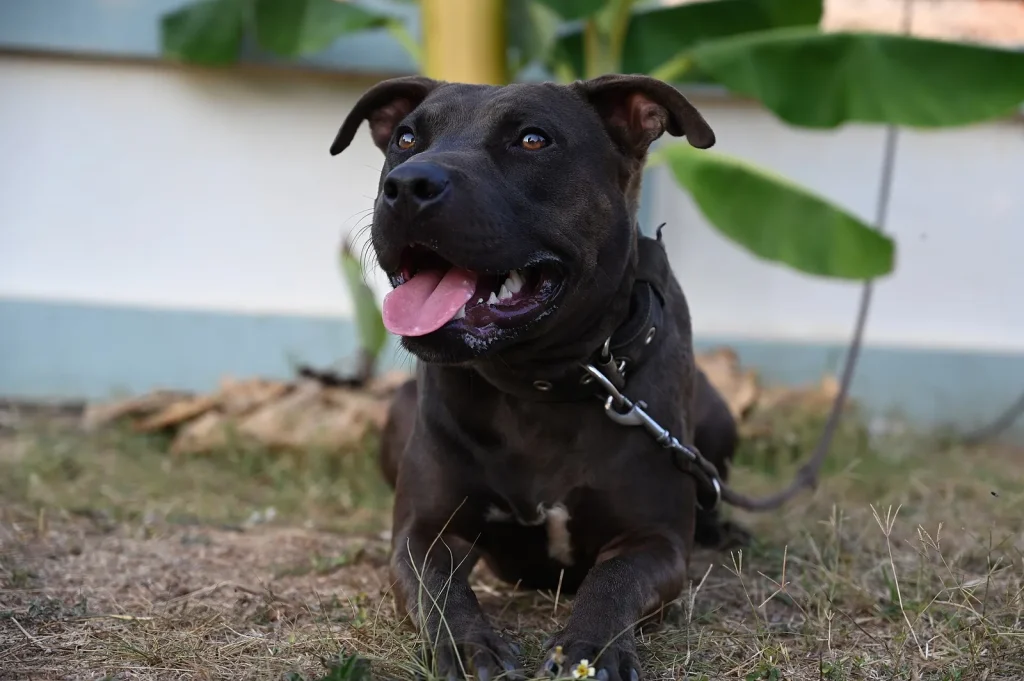
Photo: DSC 8677 Happy pup soaking up the sun with a big smile and wagging tail by PattayaPatrol, CC BY-SA 4.0, via Wikimedia Commons