A good Halloween party needs three things: a clear start and end time, a few activity stations and food that is easy to eat in costume. Halloween is observed on October 31, so it often falls on a weeknight, which makes a short party of two hours a sensible choice.
The guide below covers a timeline, ideas for different age groups and a few notes on safety and inclusion.
Where Halloween comes from
Halloween takes its name from All Hallows’ Eve, the evening before the Christian feast of All Saints’ Day on November 1. Many writers link some customs to the Gaelic festival of Samhain, which marked the end of the harvest season, though how direct the connection is debated. Over centuries, practices such as costumes, lantern carving and going door to door evolved, and Irish and Scottish immigrants helped spread them in North America.
Today the holiday is largely secular and community-focused, with costumes, pumpkins, treats and storytelling at its center.
Choose your Halloween party format
| Format | Best for | Key requirement |
|---|---|---|
| Afternoon costume party | Young children | Short, early, snack-based |
| Trick-or-treat dinner | Families, neighbors | Early meal before going out |
| Evening gathering | Teens and adults | Music, food and conversation |
| Classroom or office party | Groups | Clear rules on costumes |
A three-week timeline
- Three weeks out: choose the date, send invitations and ask about allergies.
- Two weeks out: order or buy decorations and plan the menu and games.
- One week out: test any lights or music, buy treats and prepare make-ahead food.
- Party day: set up stations, put out snacks and keep a clear path for guests.
Stations that keep everyone busy
Pumpkin corner
Supply small pumpkins and washable markers for decorating. Carving is best left to adults, while younger children can draw faces or stick on shapes.
Game table
Try a mummy-wrapping race with toilet paper, a “guess what is in the box” game using cooked pasta and grapes, or a costume parade with silly awards such as most creative or best use of cardboard.
Quiet corner
Not every child enjoys the noise. A table with coloring sheets, books or puzzles gives anyone a break.
Food that suits costumes
Finger foods work best when guests are wearing masks and gloves. Think mini pizzas, fruit skewers, pretzels, cheese cubes and cupcakes. Label foods clearly, and keep allergens separate from nut-free items where possible. Many families appreciate small non-food prizes such as stickers or pencils.
If you have hosted summer cookouts, the same buffet logic applies as in our Fourth of July planning guide: make ahead, keep cold things cold and label everything.
Safety and inclusion at your Halloween party
- Choose costumes that allow walking and seeing clearly. Face paint is often safer than a mask that blocks vision.
- Keep candles out of reach, or use battery-powered ones.
- If children are going trick-or-treating, plan an adult escort, bring a flashlight and add reflective strips.
- Offer non-food treats and consider teal pumpkins or similar signals for allergy-friendly options.
- Keep costumes respectful, and avoid ones that mock cultures or identities.
Winding down
End on a high note, such as a group photo or a story-reading by flashlight. Hand out take-home bags, thank guests and leave cleanup for the next day. For the next cozy occasion on the calendar, a Thanksgiving dinner timeline takes the same planning ideas into the kitchen.
A sample two-hour schedule
| Time | Activity |
|---|---|
| 0:00-0:20 | Arrivals, costume admiring, drinks |
| 0:20-0:50 | Game table and pumpkin decorating |
| 0:50-1:20 | Snacks and costume parade |
| 1:20-1:50 | Flashlight story or short film |
| 1:50-2:00 | Take-home bags and goodbyes |
The schedule is a sketch, not a script. If the children are happily absorbed in one station, let them stay there.
Easy decorations that do not cost much
Paper bats, cobweb cotton, lanterns and a few carved pumpkins create atmosphere without a big spend. String lights or battery candles add glow safely. Keep walkways clear and avoid decorations that could trip a child in the dark. A theme, such as friendly monsters or a haunted library, helps narrow choices and keeps the look consistent.
Planning other gatherings? Compare notes with the New Year’s Eve party checklist, which uses a similar timeline, and the World Food Day tips for using up leftover candy-free snacks.
Key takeaways
- Halloween is observed on October 31 and has roots in All Hallows’ Eve and, by some accounts, Samhain.
- Keep the party short, with stations rather than a rigid program.
- Serve finger foods and plan for allergies.
- Prioritize safe, comfortable costumes and flexible quiet spaces.
For more seasonal inspiration visit the Holidays & National Days archive.
Safety and allergy tips are general information. Follow local guidance and consult a qualified professional for specific concerns.
Frequently asked questions
When is Halloween observed?
Halloween is observed on October 31.
How long should a children’s Halloween party last?
Around two hours suits most young children. Shorter is better for toddlers, and teens may stay longer.
What are good allergy-friendly Halloween treats?
Non-food items such as stickers, pencils and small toys work well, along with clearly labeled snacks. Always check ingredient labels with guests’ families.
Is Halloween a religious holiday?
It has historic links to the Christian calendar and, by some accounts, to Gaelic traditions, but it is mostly celebrated as a secular, community occasion today.
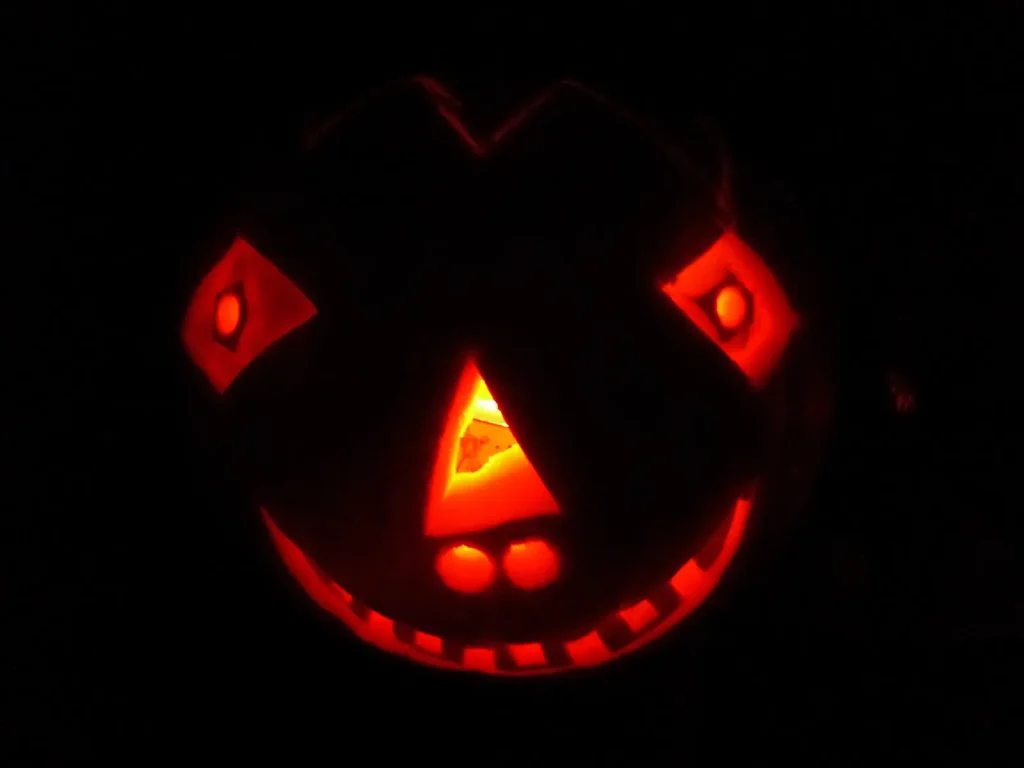
Photo: Halloween Pumpkin Lantern, Ayrshire, Scotland by Rosser1954, CC BY-SA 4.0, via Wikimedia Commons