Memorial Day weekend marks the end of the long weekend that falls around the last Monday of May, when the United States honours service members who died while serving in the military. It is a day of remembrance, and many families combine ceremony with time together.
The history of the holiday
Memorial Day began after the Civil War as Decoration Day, when communities decorated the graves of fallen soldiers. General John Logan, a leader of a Union veterans’ organisation, called for a national observance in 1868, and the first large ceremony was held on May 30 of that year at Arlington National Cemetery. After World War I, the day expanded to honour Americans who died in any war. The name Memorial Day became more common over time, and Congress made it the official name in 1967. The Uniform Monday Holiday Act moved the date to the last Monday of May, effective in 1971.
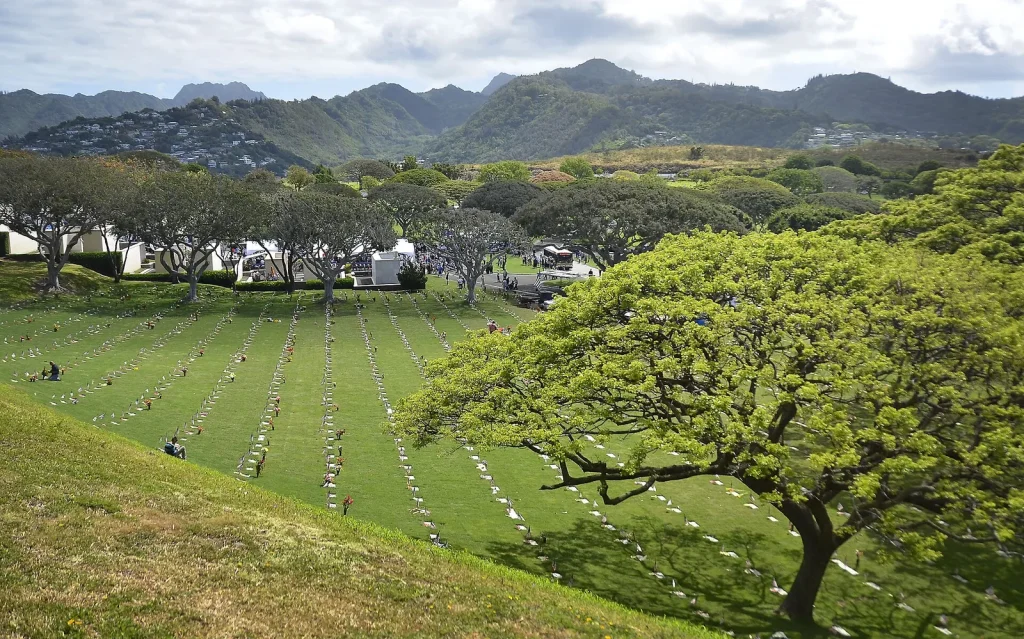
Today, thousands of volunteers place small flags at graves at national cemeteries in the days before the holiday, a tradition that has become part of the weekend in many places.
Memorial Day versus Veterans Day
People often mix them up. Memorial Day honours those who died in service. Veterans Day, observed on November 11, honours all who served, living or dead. A good way to remember: Memorial Day is for remembering, Veterans Day is for thanking.
What Memorial Day weekend means for families
For many households, the weekend is a mix of solemn and social. Some families have a personal connection, such as a relative who served and did not return. Others have no direct link but still want to mark the day well. Either way, a few minutes of intention can shape how the whole weekend feels, and children are quick to pick up on that tone.
Customs and traditions
- Flags: The US flag is flown at half-staff from dawn until noon, and then raised to full staff for the rest of the day.
- National Moment of Remembrance: Americans are encouraged to pause at 3 p.m. local time for a minute of silence.
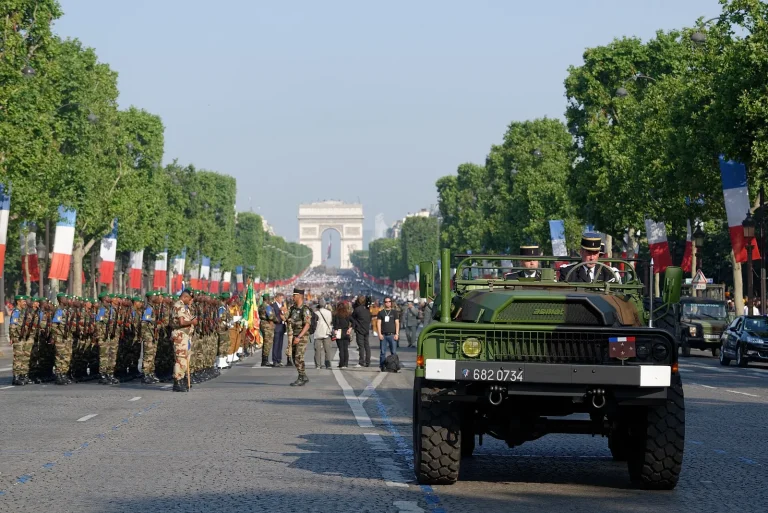
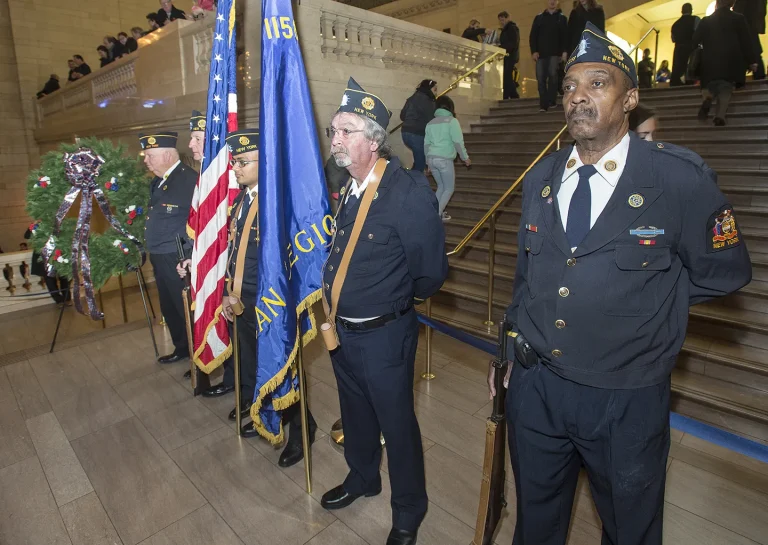
- Parades and ceremonies: Many towns hold services, often with local veterans and bands.
- Visiting cemeteries: Families place flowers and flags on graves.
Ways to observe the day respectfully
You can keep the day meaningful without turning it into a solemn marathon. Mix reflection with simple activities.
Honouring in a personal way
- Attend a local ceremony or parade.
- Visit a cemetery or memorial and leave a flag or flowers.
- Write down the story of a family member who served and share it.
- Read a letter, diary or short history to older children.
Supporting the community
- Volunteer to place flags at a local cemetery, where organisations welcome help.
- Check in on military families in your neighbourhood.
- Donate to a charity supporting service members, researching it first.
Balancing remembrance and a long weekend
Travel and cookouts are part of the modern holiday, and there is nothing wrong with enjoying them.
For many people, the holiday is also the unofficial start of summer, with barbecues, travel and sales. Both can coexist. A relaxed gathering is fine, as long as the meaning of the day is not forgotten. A short toast, a moment of silence or a brief explanation to children can anchor the occasion.
A sample weekend plan
| Day | Activity | Purpose |
|---|---|---|
| Saturday | Errands, packing and a family meal | Preparation and rest |
| Sunday | Outdoor time or a trip | Time together |
| Monday morning | Parade, ceremony or cemetery visit | Remembrance |
| Monday afternoon | Cookout with a 3 p.m. pause | Gathering and reflection |
Planning tips for travel and hosting
- Book travel and accommodation early, because roads and airports are busy.
- Check ceremony times with your town or local veterans’ group.
- Prepare food ahead so you can attend a morning event.
- Plan alternatives for bad weather.
Related observances
If you are planning a spring calendar, a Mother’s Day celebration comes a couple of weeks earlier, and a guide to Juneteenth follows in June. For help organising a service project, see our Earth Day planning checklist. All of them are collected in the Holidays & National Days category.
Key takeaways
- Memorial Day is observed on the last Monday of May and honours those who died in military service.
- It began as Decoration Day after the Civil War.
- Veterans Day on November 11 honours all who served.
- A moment of silence at 3 p.m. is an easy way to take part.
Frequently asked questions
When is Memorial Day?
It is observed on the last Monday of May.
What is the difference between Memorial Day and Veterans Day?
Memorial Day honours service members who died in service. Veterans Day, on November 11, honours everyone who served.
Why is the flag at half-staff until noon?
Tradition calls for the flag to be flown at half-staff in the morning in mourning, then raised to full staff at noon in tribute to the living.
Is it appropriate to say ‘Happy Memorial Day’?
Many people prefer a message such as ‘Remembering today’ or ‘Thinking of those who served’, since the day is one of mourning and remembrance.
Photo: Gravestones at the National Cemetery of the Pacific at Punchbowl are decorated with… by Official Navy Page, CC BY 2.0, via Wikimedia Commons