An Earth Day planning checklist helps you turn good intentions into a real event. Earth Day is observed on April 22, and the simplest approach is to pick one goal, choose a date, gather a few helpers and keep the tasks small enough to finish in an afternoon.
A short history of Earth Day
The first Earth Day took place in 1970. US Senator Gaylord Nelson, with young organisers, helped bring environmental concerns into public view, and an estimated 20 million Americans took part in rallies, teach-ins and cleanups. The same year saw the creation of the US Environmental Protection Agency. By 1990, Earth Day had gone global, and it is now marked in many countries.
Step one: pick a goal and a format
Narrow your options before you do anything else. A clear goal keeps the day from feeling scattered.
- Cleanup: collect litter in a park, shoreline or street.
- Planting: add trees, herbs or pollinator-friendly flowers.
- Swap: exchange clothes, books or toys instead of buying new ones.
- Learning: hold a talk, film screening or nature walk.
- Habit change: commit to a month of small steps such as reusable bottles or shorter showers.
The Earth Day planning checklist, week by week
- Four weeks out: choose your goal, date and location. Check whether you need permission from a landlord, school or local authority.
- Three weeks out: recruit helpers and assign simple roles such as registration, supplies and refreshments.
- Two weeks out: gather gloves, bags, tools or plants. Ask local garden centres or councils if they lend or donate equipment.
- One week out: confirm the weather plan, share a short safety briefing and send a reminder with time and meeting point.
- On the day: start with a quick introduction, supervise children closely and take a group photo.
- Afterward: sort and dispose of waste properly, thank volunteers and share the results.
Matching the plan to your group
| Group | Idea | Time |
|---|---|---|
| Family | Plant seeds in pots, then litter-pick together | 1-2 hours |
| Classroom | Schoolyard cleanup and a recycling lesson | One lesson block |
| Office | Desk-side recycling audit and a swap table | Lunch hour |
| Neighbourhood | Street cleanup with a shared picnic | Half a day |
Choosing a spot
Local parks, school grounds, community gardens and shorelines are all popular sites. Ask neighbours or the local authority which areas need attention most; they often know where litter gathers or where new plants would help. Choose a place that is easy to reach and has toilets nearby, because comfort affects turnout more than most organisers expect.
Safety and practical tips
Wear sturdy shoes and gloves, and never touch sharp objects or hazardous materials; instead, mark the spot and report it to the local authority. Bring water and sun protection, and keep children within sight at all times. Pair younger children with an adult and give them lighter jobs, such as carrying bags or sorting recyclables.
Keep it realistic
Big promises fade quickly. A modest goal, such as filling ten bags of litter or planting twenty seedlings, is easier to celebrate than a vague pledge to “save the planet”. Count what you achieve and write it down.
What to bring on the day
A small kit saves time and keeps the group comfortable. Pack disposable and reusable gloves, strong bags, a first-aid kit, water, sunscreen and a simple sign-in sheet. For planting events, add trowels, watering cans and labels so volunteers know where each plant goes. Having a few spare items means latecomers can still join in without delays.
Ideas for staying engaged
Turn the event into a regular habit. A monthly cleanup, a seasonal swap or a shared garden plot continues the work long after April 22. Children enjoy tracking progress on a chart, and teams can set small collective targets.
Connecting with other observances
Earth Day pairs nicely with other community events. If your group liked a spring service project, our guide to a day of service shares organising tips that carry over. Kids who enjoyed measuring and making can revisit Pi Day activities, and the following month brings a Memorial Day weekend with its own plans. See all celebrations in the Holidays & National Days category.
This post offers general information about planning community activities and is not safety or legal advice. Check local rules and consult the relevant authority before organising a public event.
Key takeaways
- Earth Day is observed on April 22; the first was held in 1970.
- Pick one goal, such as a cleanup, planting or swap.
- Plan four weeks ahead and assign small roles.
- Prioritise safety, supervision and realistic targets.
Frequently asked questions
When is Earth Day?
It is observed on April 22 every year.
When was the first Earth Day?
The first Earth Day took place on April 22, 1970, with millions of participants across the United States.
What is an easy Earth Day activity for kids?
Planting seeds in pots, a supervised litter pick or a nature scavenger hunt are all simple and fun for children.
Do I need permission to organise a cleanup?
Often yes if it takes place on public or private property. Check with the local council, school or landowner first.
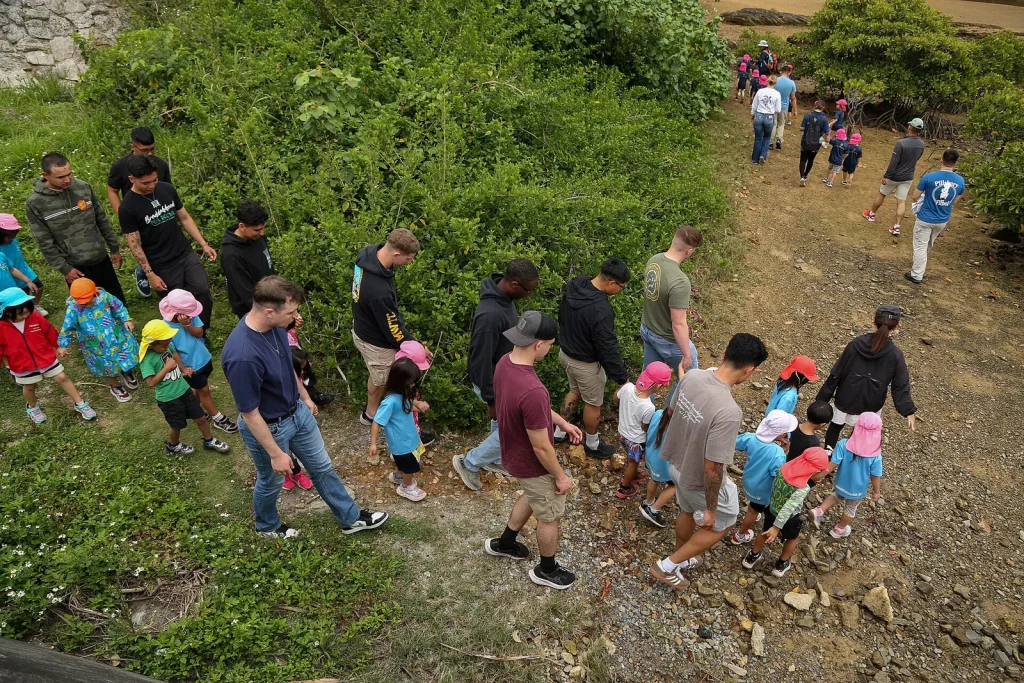
Photo: Camp Hansen Marines help cleanup and plant mangrove trees – Earth Day 2025 by U.S. Marine Corps photo by Cpl. Jesse Davis, Public domain, via Wikimedia Commons