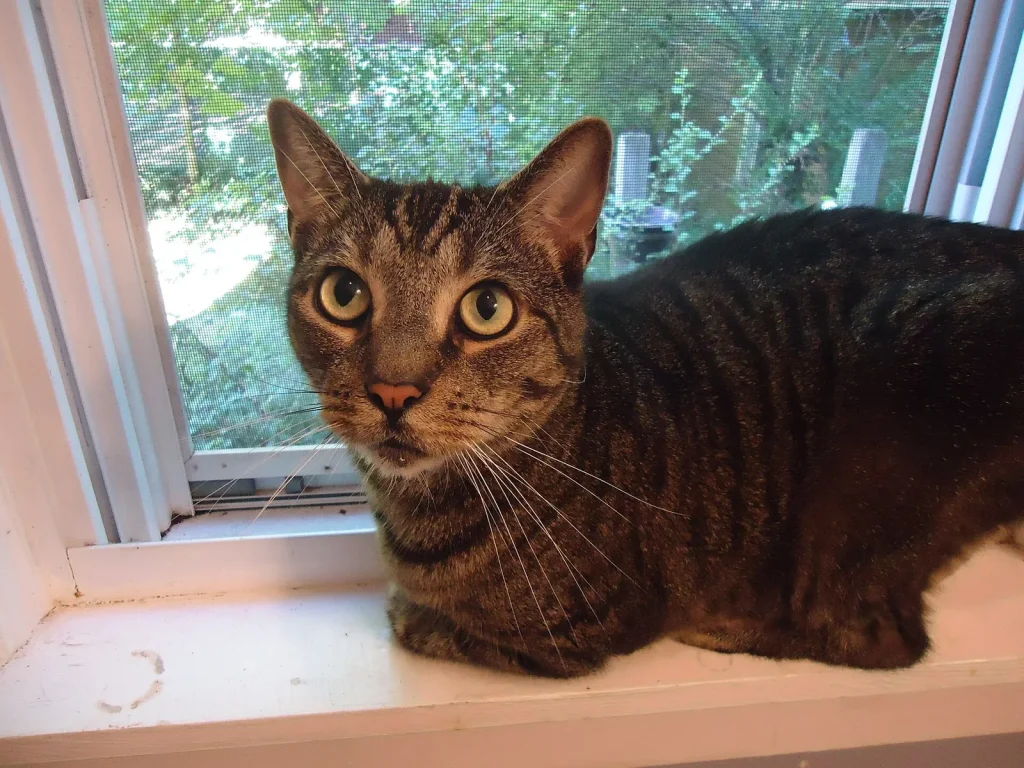
Indoor cat enrichment means giving your cat chances to climb, hunt, sniff, scratch and rest in ways that match natural instincts. You can do it with simple, low-cost changes, such as a window perch, short daily play and food puzzles.
Indoor life is safer in many ways, but it can be dull. Cats are predators, and without outlets they may become bored, overweight or destructive. These twelve ideas cover the main needs.
Why indoor cat enrichment matters
In the wild, a cat spends much of its day stalking, chasing, pouncing and eating small meals. A home cat gets food in a dish and few chances to practice any of that. Enrichment fills the gap.
It also helps with confidence. A cat who can climb, hide and observe is generally better prepared for changes, such as a visitor or a new cat joining the household.
Ideas that use space
1. Window perches
A secure perch with a view of birds, trees or the street gives hours of entertainment. Make sure it is stable and the window is safe.
2. Vertical territory
Cat trees, wall shelves and sturdy bookshelves let cats climb and survey. Height often makes cats feel safe.
3. Hiding places
Cardboard boxes, covered beds and a blanket tent offer privacy. Plain boxes are a classic favorite and cost nothing.
4. Scratching spots
Offer a tall, stable post and a horizontal scratcher. Scratching stretches muscles and leaves scent marks, so it is a need, not bad behavior.
Ideas that use play
5. Wand-toy hunting
Move a wand toy like prey, away from your cat and in short bursts, with pauses to stalk. Let your cat catch it sometimes, then finish with a treat or meal.
6. Toy rotation
Keep a handful of toys out and swap them weekly. Novelty keeps interest high without buying more.
7. DIY crumple balls and tunnels
Paper balls, paper bags with handles removed and play tunnels are simple. Avoid string, ribbon or anything your cat could swallow.
Ideas that use food and senses
8. Puzzle feeders
Making your cat work for part of a meal mimics hunting. Start easy so your cat succeeds.
9. Scatter feeding
Hide small portions of food around the house and let your cat search.
10. Cat grass
Many cats like to nibble grass grown for pets. Keep other plants out of reach, and read our pet-safe houseplants guide before bringing greenery home.
11. Sound and sight
Quiet nature sounds or a bird feeder outside a window can add interest. Always keep the volume low.
12. Social time
Gentle grooming, lap time and talking count too. A soft brush session doubles as bonding, and the home grooming basics article explains how to start.
A sample weekly plan
| Day | Activity |
|---|---|
| Monday | Wand-toy session and puzzle feeder |
| Wednesday | Swap toys, add a new cardboard box |
| Friday | Scatter feeding and window perch time |
| Sunday | Brush session, rearrange a climbing path |
Reading your cat’s response
Enrichment should be fun, not stressful. A cat who flattens its ears, swishes its tail hard or walks away is telling you it has had enough. Many of the same ideas apply to cats and dogs alike, and our guide to dog body language shows how different species signal comfort. More ideas live in the Pets category.
Watch weight, appetite and energy. If your cat becomes unusually withdrawn, stops using the litter box or changes habits suddenly, speak with your vet.
Keeping it safe
Enrichment works best when the environment is secure. Check that windows have sturdy screens, that cords and blinds cannot tangle a curious paw, and that small objects, hair ties and strings are stored away. Shelves and cat trees should be stable and placed away from hazards. New items can be introduced one at a time so your cat can investigate at their own pace, and you can see what truly appeals before adding more.
Key takeaways
- Offer height, hiding spots and good scratching surfaces
- Play like a hunt: stalk, chase, catch, eat
- Rotate toys and use puzzle or scatter feeding
- Check with your vet about sudden changes in behavior
This article is general information, not veterinary advice; please consult your veterinarian about your cat’s health, diet and behavior.
Frequently asked questions
How many play sessions does an indoor cat need?
Many owners aim for a few short sessions daily, but every cat differs. Watch your cat’s interest and stop before they lose focus.
Do cats need cat grass?
Many cats enjoy it, but it is optional. Use grass sold for pets and check with your vet if you have questions about safe plants.
Why does my cat ignore new toys?
Cats can be picky. Try rotating toys, changing how you move them, or offering different textures and sizes.
Can I leash-train a cat?
Some cats accept a well-fitted harness with patient, gradual training. Others prefer window watching, so follow your cat’s comfort.
Photo: Kitty cat in a window sill perch by Tomwsulcer, CC0, via Wikimedia Commons