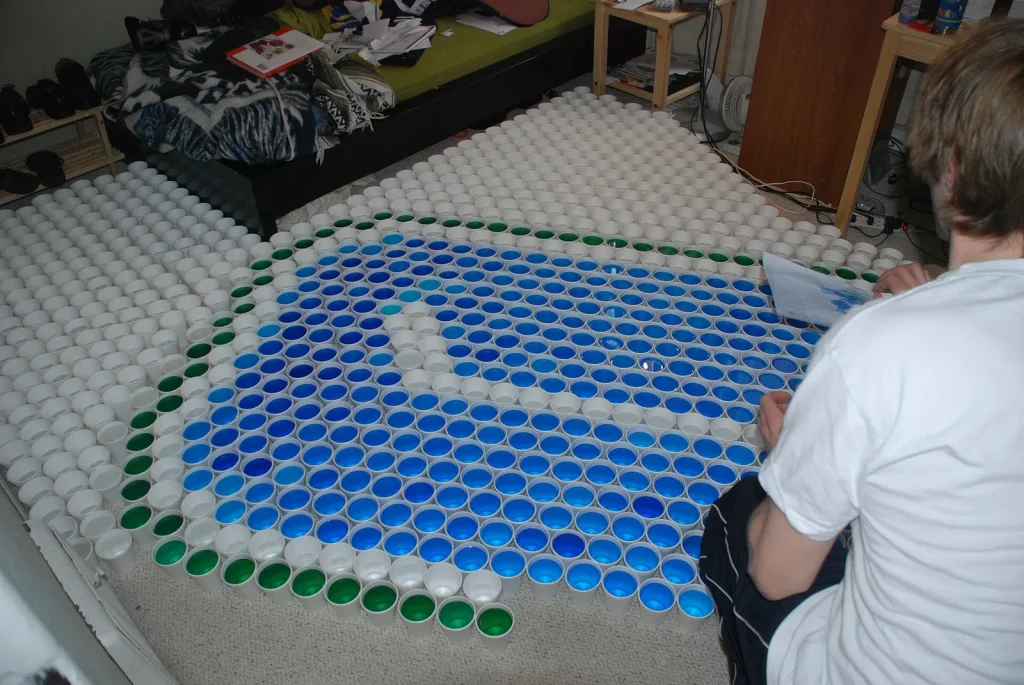
April Fools’ Day origins remain unsettled. The day is observed on April 1, when people play jokes and hoaxes on one another, but historians have never agreed on how the custom began. Several theories exist, and each has a following, yet none has been proven.
The calendar-change theory
The most popular explanation links the day to France’s switch from the Julian to the Gregorian calendar in 1582. Before that, some places are said to have celebrated the new year around the end of March, ending with festivities on April 1. People who forgot or refused to accept the new date were supposedly mocked as “April fools”.
It is a neat story, but scholars point out that the evidence is thin, and similar pranks seem to appear in earlier sources. Treat it as a possible influence rather than the answer.
Other theories about April Fools’ Day origins
- Spring festivals: The Roman festival Hilaria, held in late March, and similar spring celebrations involved playful behaviour, and some writers suggest a link.
- Chaucer’s tale: A line in The Canterbury Tales, from the 1300s, has been read as a reference to a fool being tricked on a particular date, though the passage is ambiguous.
- Changeable weather: Some say the day mocks “fooling” by Mother Nature, since early April weather is unpredictable.
In France, the tradition of the “poisson d’avril”, or April fish, involves sticking paper fish on a person’s back. It is a gentle prank that has been practised for centuries.
Famous hoaxes
Media pranks have become part of the tradition. In 1957, the BBC’s Panorama programme broadcast a segment on Swiss farmers harvesting spaghetti from trees. Many viewers believed it, since pasta was still unfamiliar in Britain at the time. Newspapers, radio stations and companies now publish clearly fake stories every April 1.
The “until noon” rule
In the United Kingdom, a long-standing custom says that pranks should stop at noon. Anyone who plays a trick after midday is said to be the fool. It is a useful rule for schools and offices because it sets a clear end to the fun.
Pranks that stay kind
The best April Fools’ pranks make everyone laugh, including the target. Ask yourself whether you would be happy to be on the receiving end. Avoid anything that could cause injury, damage property, spread alarming news or embarrass someone publicly.
Gentle ideas that work
- Leave a sticky note on the bathroom mirror that reads “Wrong house?” and wait for the grin.
- Put googly eyes on items in the fridge.
- Change a family member’s phone wallpaper to a silly picture, with their permission beforehand if you can.
- For kids, announce “dessert for breakfast” and then serve a fruit bowl with fun shapes.
A few more good-natured options
Quiz-style jokes work well with kids: ask them to find the “missing” letter in a sentence that has none missing. Teachers sometimes run a backward day, where lessons run in reverse order. At work, a team might agree in advance on a harmless theme, such as everyone wearing a silly hat on a video call. Prearranged fun is safer because nobody is caught off guard and nobody is left out.
Ground rules by setting
| Setting | Good approach | What to avoid |
|---|---|---|
| Home | Silly, harmless surprises | Fake emergencies |
| Office | Fake announcements that are clearly jokes | Fake layoffs or pay news |
| School | Riddles, funny signs | Anything disruptive or unsafe |
| Online | Obvious parody posts | Misleading health or safety claims |
Planning a prank-friendly day
- Choose a target who enjoys jokes and is in a good mood.
- Keep it quick and simple, with no costs.
- Be ready to reveal it quickly with a smile.
- Clean up after yourself.
The same lighthearted spirit shows up in other early-spring celebrations. You might pair the day with a look back at St. Patrick’s Day history, or plan something nature-focused with an Earth Day checklist later in the month. Families who enjoyed the shadow-and-weather folklore of Groundhog Day will notice a similar playful tone. The Holidays & National Days page offers more.
Key takeaways
- April Fools’ Day is observed on April 1; its origin is disputed.
- The 1582 calendar-change theory is popular but unproven.
- In the UK, pranks traditionally end at noon.
- Keep jokes harmless, brief and easy to laugh off.
Frequently asked questions
When is April Fools’ Day?
It is observed on April 1 each year.
How did April Fools’ Day start?
No one knows for certain. Theories include France’s 1582 calendar change, spring festivals and medieval literature, but none is confirmed.
Why do pranks stop at noon in the UK?
It is a traditional custom: anyone who plays a trick after midday is said to be the fool. It gives the fun a clear end.
What is a poisson d’avril?
It is the French ‘April fish’, a paper fish stuck on someone’s back as a gentle April 1 joke.
Photo: April Fools Day 2010 by Jeffrey Murphy, CC BY 2.0, via Wikimedia Commons