Baking bread basics are simple: mix flour, water, yeast and salt, knead until elastic, let the dough rise twice, then bake until golden and hollow-sounding. Your first loaf takes about three hours, though only 20 minutes of that is hands-on.
This guide walks through the ingredients, the stages and a straightforward recipe for one standard loaf.
The four ingredients
Bread is a lesson in how few things you need.
- Flour: bread flour has more protein, which builds stronger gluten and a chewier crumb. All-purpose flour works too, with a slightly softer result.
- Water: lukewarm, around 30 C (86 F). Too hot kills yeast.
- Yeast: instant (fast-action) or active dry. Instant can go straight into the flour.
- Salt: adds flavour and controls yeast activity.
Allergens: bread flour contains wheat (gluten). Some recipes add milk, eggs, seeds or nuts, and some commercial yeast blends include additives, so check labels.
A simple white loaf recipe
Ingredients (one 900 g / 2 lb loaf)
- 500 g / 4 cups bread flour, plus extra for dusting
- 320 ml / 1 1/3 cups lukewarm water
- 7 g / 2 1/4 teaspoons instant yeast
- 10 g / 2 teaspoons fine salt
- 1 tablespoon olive oil or soft butter (optional, for a softer crumb)
Method
- Mix the flour, yeast and salt in a big bowl. Add the water and oil. Stir until no dry flour remains.
- Knead on a lightly floured surface for 10 minutes. The dough should become smooth and stretchy, and spring back when pressed.
- Place in an oiled bowl, cover and leave in a warm place for about 1 hour, until doubled.
- Press the air out gently and shape into a loaf or round. For a tin loaf, fold into a rectangle and tuck into a greased 900 g (2 lb) tin.
- Cover and let it rise again for 30 to 45 minutes, until puffy. Preheat the oven to 220 C (425 F) with a tray on the lower shelf.
- Slash the top with a sharp knife. Bake for 30 to 35 minutes, adding a cup of hot water to the tray for steam in the first 10 minutes if you like a crisper crust.
- Tap the base. It should sound hollow. The internal temperature should read around 93 to 99 C (200 to 210 F).
- Cool on a wire rack for at least an hour before slicing.
Baking bread basics: understanding the stages
| Stage | What is happening | What to look for |
|---|---|---|
| Kneading | Gluten develops | Smooth, elastic dough |
| First rise | Yeast ferments, flavour builds | Doubled in size |
| Shaping | Surface tension forms | Tight, smooth skin |
| Second rise | Final lift | Springs back slowly if poked |
| Baking | Crust browns, crumb sets | Golden, hollow sound |
The poke test and other cues
Timing guides depend on your kitchen temperature, so trust the dough more than the clock. Press a floured finger about 1 cm into the dough. If the dent fills back immediately, it needs longer. If it bounces back slowly, it is ready. If it stays dented, it may be overproved, so bake straight away.
Troubleshooting
- Dense loaf: the dough may be underproved, the yeast old or the dough underkneaded.
- Pale crust: raise the oven temperature or bake a few minutes longer.
- Gummy centre: likely sliced too early, or underbaked.
- Flat loaf: overproving or too much water. Reduce water by a tablespoon next time.
Ways to vary it
Swap up to a third of the white flour for wholemeal (whole wheat), adding a splash more water. Fold in seeds, herbs, olives or grated cheese after the first rise. The dough also works as pizza; see our homemade pizza dough recipe for a version tuned for a crisp base.
Storing your bread
Keep the loaf cut side down on a board, or wrapped in a cloth, for two or three days. Slice and freeze leftovers, then toast from frozen. Fresh bread alongside soup is hard to beat; try it with our easy vegetable soup, or add it to your meal prep lineup. A good serrated knife helps; see our knife skills guide for tips on slicing safely.
Key takeaways
- Four ingredients and patience are all you need.
- Knead until smooth and elastic, then let the dough double.
- Use the poke test instead of the clock.
- Let the loaf cool before cutting.
Browse more guides in our food and recipes archive.
Frequently asked questions
Do I need a stand mixer?
No. Hand kneading for about 10 minutes works well, and it is satisfying.
Why did my bread not rise?
The yeast may be old, or the water too hot or too cold. Use fresh yeast and lukewarm water.
Can I use all-purpose flour?
Yes. The loaf will be a little softer and less chewy than with bread flour.
How do I know when bread is done?
It should be golden, sound hollow when tapped on the base and reach about 93 to 99 C (200 to 210 F) inside.
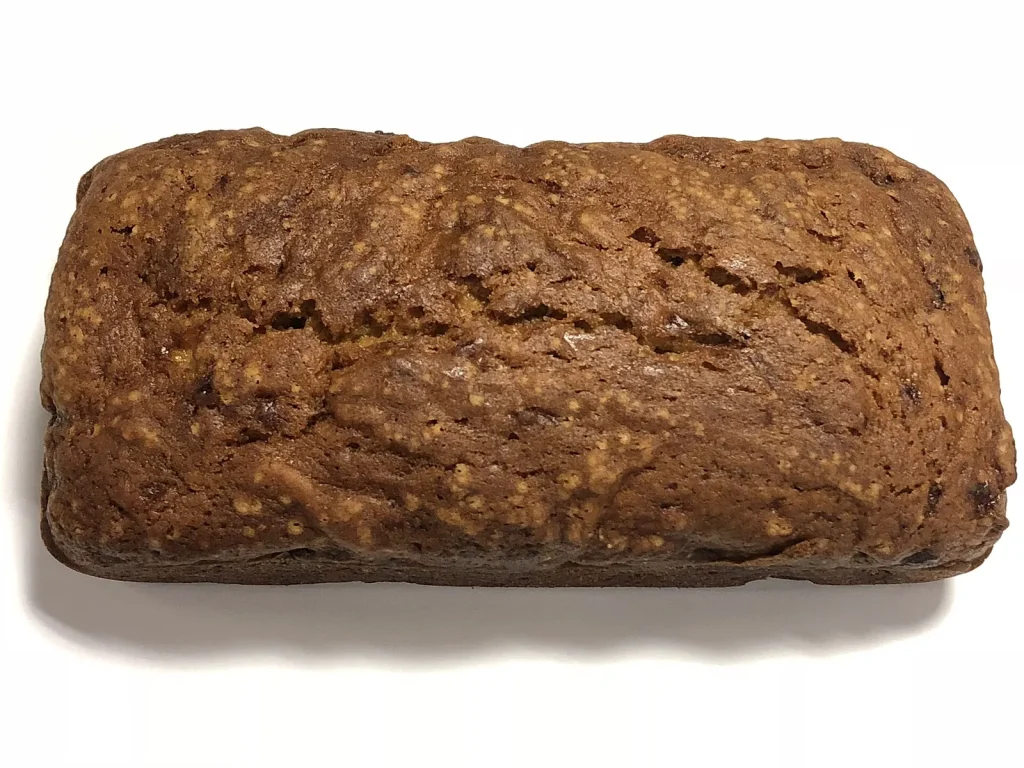
Photo: 2020-05-10 01 19 48 A loaf of home-baked banana bread in the Dulles section of… by Famartin, CC BY-SA 4.0, via Wikimedia Commons