Dress codes explained simply: they are a shorthand for how formal an event is, running from casual at the relaxed end to white tie at the most formal. Interpretations vary by country and culture, so treat the guidance here as a general map and check with the host when in doubt.
Dress codes explained as a formality ladder
Think of dress codes as steps on a ladder. Each rung adds structure, polish and fewer casual elements. Once you know the order, you can place almost any phrase on an invitation.
| Dress code | Typical outfit | Formality |
|---|---|---|
| Casual | Jeans, tee, trainers, sundress | Low |
| Smart casual | Chinos or dark jeans, shirt, knit, clean shoes | Low to medium |
| Business casual | Tailored trousers, shirt or blouse, optional blazer | Medium |
| Business formal | Suit, tie or equivalent, polished shoes | Medium to high |
| Cocktail | Cocktail dress or suit, dressy accessories | High |
| Black tie | Tuxedo or floor-length gown | Very high |
| White tie | Tailcoat, white bow tie, full-length ball gown | Highest |
Keep in mind that these labels are not universal. A code that means a suit at a bank may mean a clean shirt at a creative studio, and wedding invitations often use the terms more loosely than formal events do. Culture, climate and local custom all shape what counts as appropriate.
Casual and smart casual
Casual means comfortable everyday clothes, though still clean and in good condition. Smart casual lifts that slightly: think dark denim without rips, a collared shirt or fine knit, and shoes that are not sports trainers unless the setting is relaxed.
Smart casual is the code people find most confusing. A reliable formula is one tailored piece, such as a blazer or well-cut trousers, balanced with something relaxed. Fit does most of the work here, so our checklist on how clothes should fit is worth keeping handy.
Business casual and business formal
Business casual usually drops the tie and often the jacket, but keeps structure: tailored trousers or a skirt, a shirt or blouse, and leather shoes. Business formal means a suit in a dark neutral such as navy or charcoal, a shirt and tie, or an equally polished outfit.
Workplaces differ widely, so observe what colleagues wear and, if you are new, ask. A small capsule wardrobe of workwear makes the daily decision easy.
Cocktail, black tie and white tie
Cocktail attire suits evening parties. Dresses usually fall around the knee, and men wear a suit, often with a tie and a dressier shirt. You can add personality with a bold accessory or a rich colour.
Black tie is traditionally a tuxedo with a bow tie, a formal shirt and black shoes, or a floor-length gown or equally formal outfit. White tie is the pinnacle of formality, rarely seen outside state occasions and certain balls. It calls for a black tailcoat, white waistcoat and white bow tie, and a full-length evening gown.
Footwear and grooming often separate one level from the next. Polished leather shoes, a belt that matches them and neatly pressed clothes lift almost any outfit by a full step. On the other hand, scuffed shoes or wrinkled fabric can undermine an expensive suit.
When the invitation is vague
Phrases such as festive, creative black tie or dress to impress leave room for interpretation. Take clues from the venue, the time of day and the hosts. Evening events lean more formal than daytime ones, and a restaurant with white tablecloths calls for more polish than a backyard barbecue.
- Ask the host, which is perfectly acceptable
- Check photos from previous events
- If still unsure, dress slightly up, as it is easier to remove a jacket than to add one
- Check the weather, since an outdoor wedding in cold air needs a wrap or coat; see our tips on how to dress for different weather
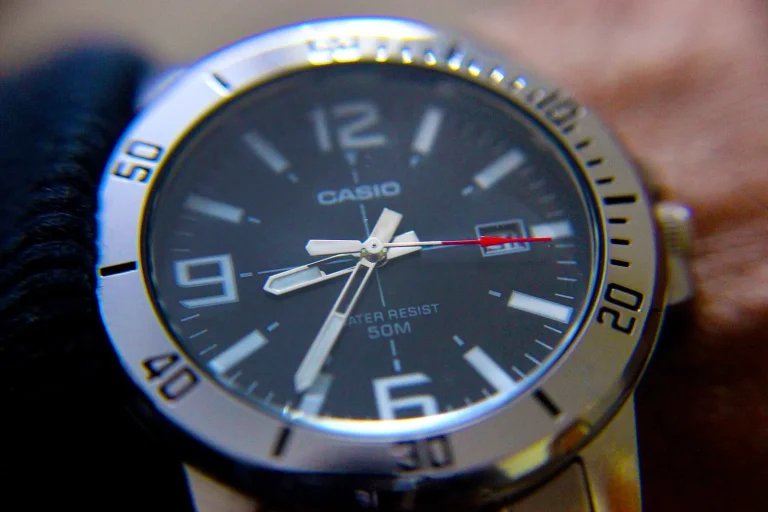
Accessories complete an outfit at any level, and a good timepiece is a classic finisher, as described in our guide to how to choose a watch.
Religious and cultural events may carry their own expectations, such as covered shoulders or head coverings. Respect for the setting matters more than fashion in these cases, and a short message to the host is the best way to find out what is expected.
Key takeaways
- Dress codes describe formality, from casual up to white tie.
- Smart casual means one tailored piece balanced with relaxed ones.
- Evening and venue clues often decide how formal to go.
- When unsure, ask the host or dress slightly up.
- See more style advice in our fashion section.
Frequently asked questions
What is the difference between black tie and cocktail?
Black tie calls for a tuxedo or floor-length formal wear, while cocktail allows a suit or a knee-length dress. Black tie is more formal overall.
Can I wear jeans to a smart casual event?
Usually yes, if they are dark, well-fitting and free of rips, and you pair them with a smarter top and clean shoes.
Is it acceptable to ask what the dress code means?
Absolutely. Hosts would rather answer a quick question than see a guest feel out of place.
Photo: Man in biz suit in front of office windows by Ildar Sagdejev (Specious), CC BY-SA 4.0, via Wikimedia Commons