Martin Luther King Jr. Day is a US federal holiday observed on the third Monday of January, close to King’s birthday on January 15. It honours the civil rights leader’s life and has grown into a national day of service, often summed up as “a day on, not a day off”.
How Martin Luther King Jr. Day came about
Within days of King’s assassination in 1968, a bill to honour him was introduced in Congress. It took years of campaigning, petitions and debate before President Ronald Reagan signed the holiday into law in 1983. The first national observance took place in 1986.
It took longer still for every state to adopt it as an official holiday. In 1994, Congress passed the King Holiday and Service Act, which tied the day to volunteer work in communities.
What the day is meant to be
The holiday is not simply a long weekend. It invites people to reflect on King’s work for civil rights, nonviolence and equality, and to act on it locally. That can mean volunteering, attending a community event, reading his writing or having a thoughtful conversation at home. The day is observed without partisan messaging, which is part of why so many schools, faith groups and businesses join in.
Educators often use the day to teach about the Montgomery bus boycott of 1955 and 1956, the 1963 March on Washington and the Civil Rights Act of 1964, all central to King’s work. Libraries and museums frequently put on readings, exhibits and free programmes, so check local listings for something close to home.
Service ideas that work for most groups
Choose something that matches the time and energy you have. A two-hour project done well beats an overambitious plan that falls apart.
For families and kids
- Assemble care packs or write cards for a local shelter or senior centre.
- Collect gently used coats and books and drop them at a donation site.
- Read a children’s biography of King together and talk about fairness.
For offices and teams
- Organise a food drive with a clear drop-off spot and end date.
- Give staff paid time to volunteer with a charity of their choice.
- Host a lunchtime discussion based on a short reading rather than a lecture.
For friends and neighbours
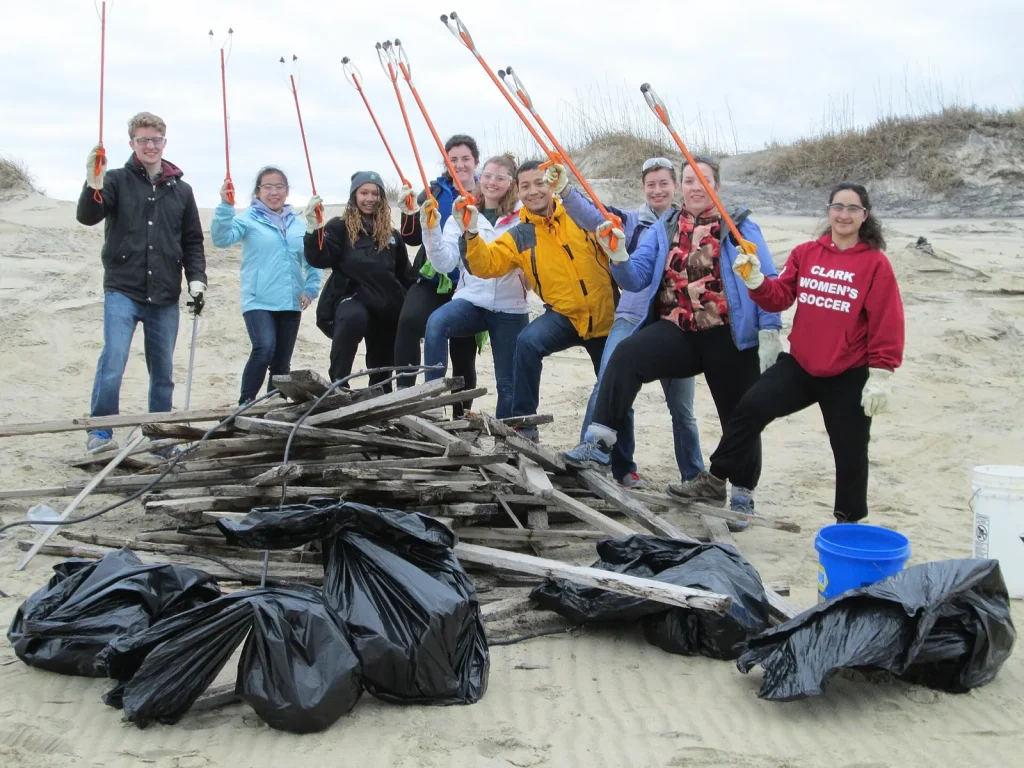
- Clean up a park, playground or stretch of street.
- Offer to help older neighbours with errands or snow clearing.
- Visit a local museum or historic site connected to the civil rights movement.
A simple planning checklist
Local volunteer slots fill up fast, so start early. Here is a sequence that keeps things manageable.
- Two to three weeks ahead: contact local nonprofits and ask what they actually need.
- One to two weeks ahead: confirm your headcount, times and any required sign-ups.
- The week of: send reminders, and share what to wear and bring.
- On the day: keep a short reflection moment so the purpose stays in view.
- Afterward: send a thank-you and note whether you can return later in the year.
Matching an idea to your time
| Time available | Idea | Best for |
|---|---|---|
| 30 minutes | Write notes for a care-pack drive | Households with young kids |
| 1-2 hours | Neighbourhood cleanup or donation run | Friends and neighbours |
| Half a day | Pantry or shelter volunteer shift | Teams and youth groups |
| Ongoing | Sign up for a regular volunteer role | Anyone wanting lasting impact |
Reflecting with children and teens
Younger kids can handle simple ideas such as fairness, kindness and taking turns. Older children and teenagers can read short excerpts of King’s speeches and letters and discuss what they mean today. Let them ask questions, and it is fine to say you do not know every answer. A library visit afterward is an easy way to keep learning.
Keeping the spirit going
The strongest service days lead to something longer. If a pantry shift goes well, ask about a monthly slot. Winter is also when many communities need help most, so the timing fits. If you are looking for a lighter February event after a serious day of service, Groundhog Day myths and facts makes a fun family conversation. If your January is already full of resolutions, see our guide to New Year’s Day traditions for ideas on setting intentions. And when the weather warms, an Earth Day planning checklist offers another way to give your time. The full list of observances is on our Holidays & National Days page.
Key takeaways
- The holiday falls on the third Monday of January and was first observed nationally in 1986.
- Its service focus was formalised by the King Holiday and Service Act of 1994.
- Contact local charities early and ask what they need before you plan.
- A small, well-run project is better than an ambitious one that stalls.
Frequently asked questions
When is Martin Luther King Jr. Day observed?
It is observed on the third Monday of January each year, which always falls between January 15 and 21.
Is Martin Luther King Jr. Day a federal holiday?
Yes. President Reagan signed it into law in 1983, and it was first observed nationwide in 1986.
Why is it called a day of service?
Congress passed the King Holiday and Service Act in 1994, encouraging Americans to spend the day volunteering. The motto ‘a day on, not a day off’ captures the idea.
How can I volunteer if I only have an hour?
Look for short tasks such as writing cards, packing donation boxes or tidying a local park. Many charities list one-off opportunities that need no training.
Photo: Beach Cleaning Volunteers by Debbie Foote, Public domain, via Wikimedia Commons