Film genres evolved because studios repeated what audiences liked, then audiences grew bored and demanded something fresh. Technology, world events, and changing tastes pushed each style to adapt, split, or blend. This short history shows how the main genres took shape.
How film genres evolved: what a genre is
A genre is a set of familiar conventions: recurring settings, character types, and story patterns. A western has frontier landscapes, a horror film builds dread, and a musical stops to sing.
Genres help audiences know what to expect, and help studios market films. They are also constantly changing, which is the interesting part.
The silent era: comedy, drama, and spectacle
In the early decades of cinema, short comedies, melodramas, and adventure stories dominated. Without recorded dialogue, filmmakers relied on physical comedy, expressive acting, and visual action. Slapstick became one of the first great film styles because it needed no words.
Sound arrived in the late 1920s, and it changed everything. Dialogue-driven comedies, gangster stories, and above all musicals suddenly became possible.
The studio era: formulas that worked
From the 1930s through the 1950s, large studios produced films in steady genre cycles. Westerns, screwball comedies, musicals, and crime stories filled cinemas. Film noir, with its shadowy visuals and morally murky tales, grew popular in the 1940s.
Science fiction and monster films surged in the 1950s, often reflecting anxieties about the atomic age and the future. In the same period, widescreen formats and colour helped cinemas compete with the rising popularity of television.
Reinvention and the blockbuster
In the late 1960s and 1970s, filmmakers began questioning old formulas. Westerns grew more sombre, crime stories more realistic, and horror more daring. Then a new kind of big-event film arrived. Large summer releases such as Jaws and Star Wars helped create the modern blockbuster.
The 1980s and 1990s brought action spectacles, teen comedies, and a boom in home video, which let people explore older and niche films on their own time.
A quick timeline
| Period | Popular styles | Key influence |
|---|---|---|
| 1900s to 1920s | Slapstick, melodrama, adventure | Silent filmmaking |
| 1930s to 1950s | Westerns, musicals, noir, sci-fi | Studio system and sound |
| 1960s to 1970s | Revisionist genres, new horror, blockbusters | Changing audiences |
| 1980s to 1990s | Action, teen comedy, franchise films | Home video |
| 2000s onwards | Genre blends, superhero and franchise films, streaming originals | Digital effects and streaming |
Blending and streaming
Today, films freely mix genres. A comedy can carry a thriller plot, and a horror story can be a sharp family drama. Digital effects make fantastical worlds easier to create, and streaming services offer room for niche tastes.
Streaming has also changed how we find films. Our explainer on how streaming recommendations work shows how those suggestions nudge us toward certain genres.
Why genres keep changing
- Audience fatigue: repeated formulas eventually feel stale.
- Technology: sound, colour, and digital effects open new possibilities.
- Society: worries and hopes of each era shape the stories told.
- Global exchange: films from around the world inspire new hybrids.
Want to explore this yourself? Plan a themed evening using our guide to hosting a movie night, with one film from each era.
Genre labels are fuzzy on purpose
Critics and fans often argue over where a film belongs, and that is part of the fun. A single film can be a romance, a comedy, and a road movie at once. Labels like “thriller” or “drama” are broad umbrellas, while terms such as “neo-noir” describe a narrower style that revisits an older one.
Subgenres appear when filmmakers return to an old formula with a twist. Think of the way comedy splits into romantic comedy, dark comedy, and parody, each with its own habits and audience.
Try it yourself at home
The easiest way to understand genre history is to watch it. Pick one film from each decade and notice what repeats and what changes: the pacing, the costumes, the way characters speak, and the questions the story asks. You could even turn your discoveries into a round for a trivia night.
One more thing worth noticing is how local culture shapes genre. Cinema traditions around the world have developed their own styles, from lavish song-and-dance dramas to swordplay epics and quiet family stories, and they have influenced one another for decades. When you widen your viewing beyond one country’s output, you see how many different ways there are to tell a story on screen, and why genre labels only ever tell part of the tale.
Key takeaways
- Genres are sets of conventions that help audiences and studios.
- Sound, studios, television, home video, and streaming each reshaped what got made.
- Modern films often blend several genres at once.
Discover more in our entertainment archive.
Frequently asked questions
What was the first film genre?
Early cinema included short comedies, scenic views, and simple dramas, so it is hard to name one. Comedy and adventure were among the earliest popular styles.
Why do genres mix so much now?
Audiences know the old formulas well, so blending them creates surprise. Larger global markets also encourage variety.
Is a genre the same as a format?
No. A genre is a style of story, while a format is how it is made or shown, such as animation or a miniseries.
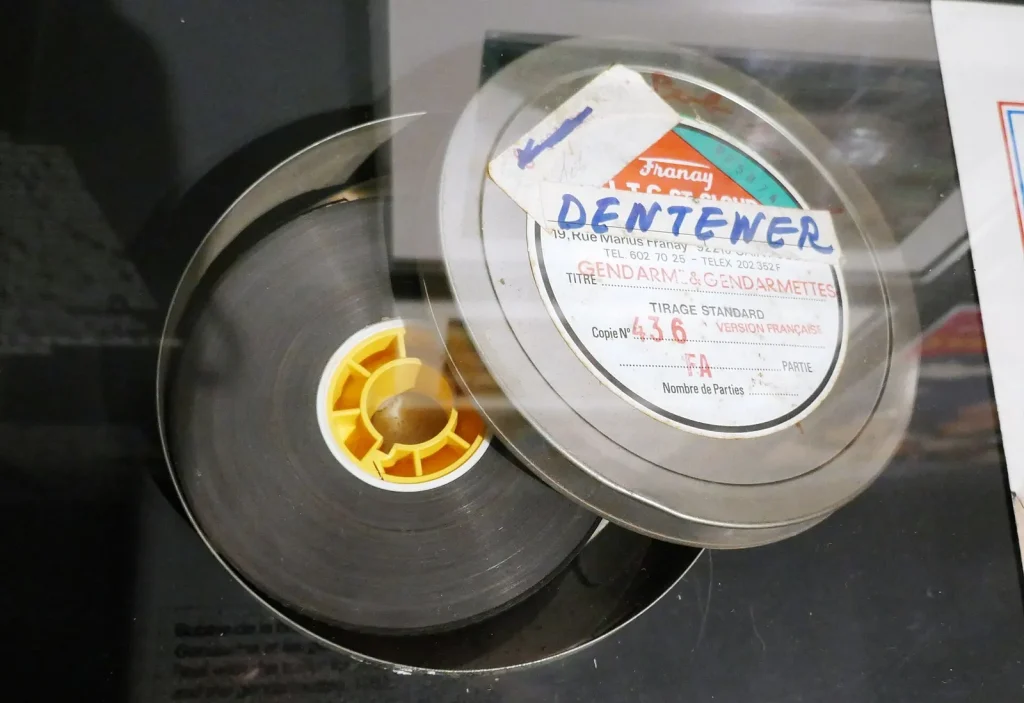
Photo: Film Reel – Le Gendarme et les Gendarmettes by FR, CC BY-SA 4.0, via Wikimedia Commons