The best low light houseplants include snake plants, ZZ plants, pothos, cast iron plants and peace lilies. They tolerate dim rooms better than most, though no plant lives on zero light. Below is how to read your room’s light, which plants to try and how to keep them alive.
What low light really means
Low light is not darkness. It usually describes a spot that gets no direct sun and sits several feet back from a window, or a room facing away from the sun. A simple test: if you can read a book comfortably without turning on a lamp during the day, many tolerant plants will cope.
If a room is truly windowless, even the toughest plant will slowly decline. A full-spectrum grow light, run for several hours a day, can fill the gap.
Reliable low light houseplants to try
| Plant | Why it works | Watch out for |
|---|---|---|
| Snake plant | Very tolerant of neglect and dry air | Overwatering |
| ZZ plant | Stores water in its rhizomes | Rot if kept soggy |
| Pothos | Trailing, fast and forgiving | Leggy growth in very dim spots |
| Cast iron plant | Named for its toughness | Slow growth |
| Peace lily | Droops clearly when thirsty | Browning tips from dry air |
Many popular houseplants, including pothos, peace lilies and philodendrons, are toxic if chewed by pets or children. Check a trusted pet-poison list, or ask your vet, before bringing them into a household with curious animals.
Choose the right spot
Plants for dim rooms still need some natural light. Place them near the brightest window the room offers, even if the sun never touches the leaves. A north-facing window in the Northern Hemisphere is a classic low light spot, and it suits many of the plants above.
- Avoid placing plants near radiators, heating vents or cold drafts.
- Rotate pots every few weeks so growth stays even.
- Dust the leaves with a damp cloth, since a dusty leaf captures less light.
Water less than you think
More low light houseplants die from overwatering than from dim conditions. In low light, plants use water slowly, so soil stays wet for longer. Check by pushing a finger two inches into the soil; water only if it feels dry.
Always use a pot with a drainage hole and tip out any water left in the saucer after half an hour. In winter, when growth slows, water even less often.
Feeding and repotting
Plants in dim light grow slowly and need little fertiliser. A diluted balanced houseplant feed a few times in the growing season is plenty, and none in winter. Repot only when roots circle the pot or push out of the drainage hole, usually every two or three years, moving up just one pot size.
Styling a shadowy room
Dark corners can look heavy, so choose pots in light or reflective colours and place plants on stands or shelves at different heights. A freshly painted pale wall bounces more light around, as covered in our guide to painting a room. Cleaner windows also let in more daylight, which is one more reason to follow a deep cleaning schedule.
If you love growing food, remember that most vegetables want strong sun, so see how to start a vegetable garden outdoors instead. More indoor and outdoor ideas live in the Home & Garden archive.
Signs your plant needs more light
Plants tell you when they are struggling. Stretched, leggy stems reaching toward a window, small new leaves and fading leaf patterns all suggest the light is too dim. Slow growth is normal in low light, but a plant that drops leaves steadily or turns pale may need a brighter spot. Try moving it a few feet closer to the window, or rotate it with another plant every month or so. A sheer curtain can soften harsh midday sun if a spot turns out to be brighter than expected. Be patient after any move, since plants often sulk for a couple of weeks before settling. Change one thing at a time so you can tell what helped.
Key takeaways
- Low light means indirect, dim light, not darkness.
- Snake plants, ZZ plants, pothos, cast iron plants and peace lilies are dependable choices.
- Overwatering is the most common mistake; check the soil first.
- Check pet toxicity before you buy.
Frequently asked questions
Can plants grow in a room with no windows?
Not without help. A grow light on a timer can keep tolerant plants healthy in a windowless space.
How often should I water low light plants?
It varies by plant, pot and season, so check the soil rather than following a calendar. Many of these plants prefer to dry out between drinks.
Why are my plant’s leaves turning yellow?
Overwatering is a common cause, but so are cold drafts and age. Check the roots and soil moisture, and adjust your routine.
Are artificial plants a better choice for dark rooms?
They need no light or water, so they work where living plants cannot. Many people mix a few real plants with decor in the dimmest corners.
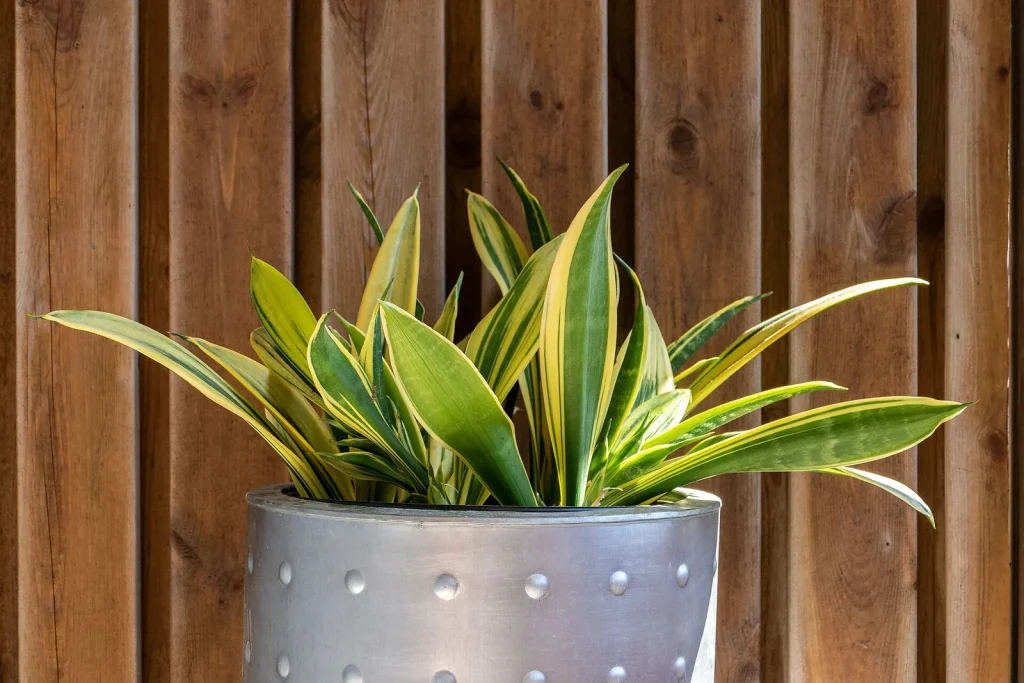
Photo: Snake plant, Sansevieria trifasciata 'Golden Hahnii', in Tuntorp by W.carter, CC BY-SA 4.0, via Wikimedia Commons