A seasonal home maintenance checklist spreads upkeep across four short rounds, so small issues are caught before they become costly. Check gutters, roofline and drainage in autumn and spring, test safety devices twice a year, and prepare for temperature extremes ahead of winter and summer.
Why a home maintenance checklist follows the seasons
Weather causes most wear on a house, so it makes sense to check things when the weather is about to change. Water, frost and heat find weaknesses quickly. A quick look every three months tends to find a loose tile or a damp patch while it is still a minor job.
Keep a notebook or phone note for each season, with dates, photos and the names of any tradespeople you have used. It makes the next round faster.
Spring: after the cold
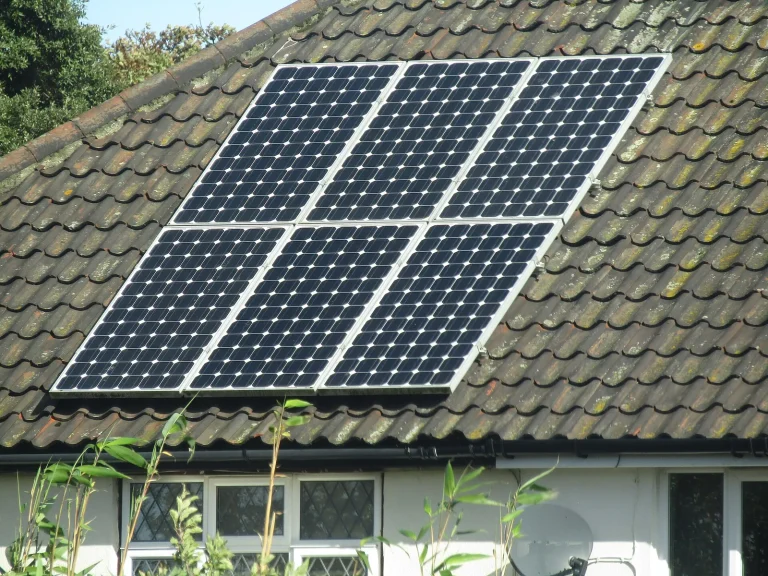
- Walk the outside and look for cracked paint, loose tiles or damaged sealant.
- Clear gutters and check downpipes carry water away from the walls.
- Look for damp stains on ceilings and walls that appeared over winter.
- Service or clean the lawn mower and garden tools.
- Reconnect outdoor taps and hoses and check for leaks.
Spring is also when beds wake up, so it is a good time to start a vegetable garden or refresh the soil with homemade compost.
Summer: heat and airflow
- Clean or replace air-conditioner filters, and vacuum fan blades and vents.
- Check window and door seals for gaps that let in warm air.
- Inspect the deck, fence and gate for rot or loose fixings.
- Trim vegetation back from walls and keep it clear of the roofline.
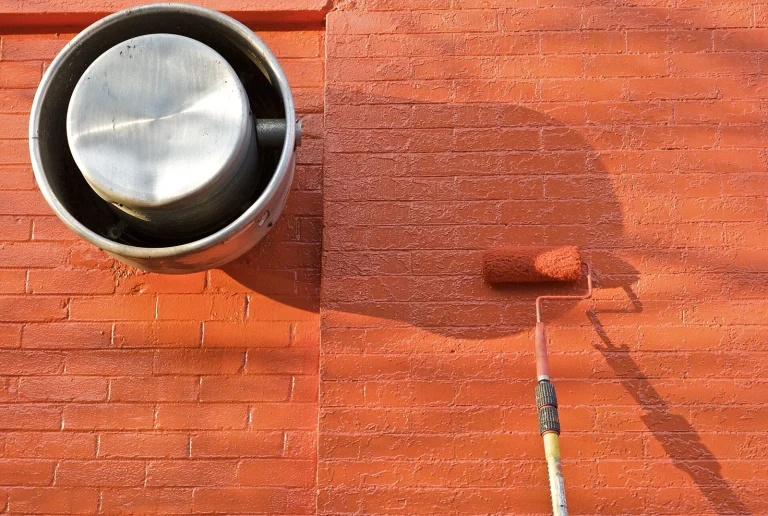
Summer is also a good moment for exterior painting jobs. See how to paint a room for preparation habits that carry over to indoor decorating.
Autumn: prepare for cold
- Clear leaves from gutters, drains and the area around outside gullies.
- Disconnect hoses and turn off outdoor taps, draining where recommended.
- Check for drafts around doors and windows and renew weatherstripping.
- Book a heating-system inspection with a qualified, registered engineer or technician before you need it.
Good draft-proofing also cuts heating costs, as we explain in how to save energy at home.
Winter: protect and monitor
- Know where your main water shut-off valve is and that everyone in the house can find it.
- Insulate exposed pipes in unheated areas.
- Keep vents and flues clear of snow, leaves and debris.
- Watch for condensation and ventilate rooms to limit mould.
Year-round safety checks
Some items do not follow the seasons. Test smoke and carbon monoxide alarms monthly, replace batteries as the manufacturer directs, and replace alarms when they reach their stated end-of-life date. Keep an accessible fire extinguisher if you choose to have one, and know how to use it.
| Task | Usual frequency |
|---|---|
| Test smoke and CO alarms | Monthly |
| Clear gutters | Spring and autumn |
| Clean dryer lint and vent | Regularly, and the vent annually |
| Check under sinks for leaks | Every few months |
| Heating-system service | Yearly, by a professional |
Also see our deep cleaning schedule to pair cleaning with these checks. More guides sit in the Home & Garden archive.
This is general information. Electrical, gas, heating and structural work should be carried out by a licensed professional, and ladder work carries real risk, so use stable equipment, work with a helper, or hire someone.
Make your home maintenance checklist stick
The best checklist is one you actually use. Print it or save it on your phone, put the dates in your calendar and set a reminder a week ahead. Photograph anything unusual, such as a stain, a crack or a rusting fitting, so you can compare it next season. Keep receipts and manuals in one folder, along with the contact details of a plumber, an electrician and a heating engineer you trust. Splitting jobs across a couple of weekends keeps things manageable, and sharing them with a partner or housemate makes them feel lighter. A little consistency prevents most emergencies, and when something does go wrong, your notes will help a professional diagnose it faster.
Key takeaways
- Check the house at each change of season, using one running notebook.
- Gutters, seals and drainage matter most in autumn and spring.
- Test smoke and carbon monoxide alarms on a schedule.
- Leave gas, electrical and structural work to licensed professionals.
Frequently asked questions
How long does a seasonal check take?
Most households finish a round in an afternoon, plus any repairs. Splitting it into two sessions makes it easier.
What is the single most important check?
Working smoke and carbon monoxide alarms, since they protect lives. After that, water management, meaning gutters, drains and leaks.
Can I clean gutters myself?
Many people do, from a stable ladder with someone holding it. If your roof is steep or tall, a professional is the safer choice.
When should I call a professional?
For gas appliances, electrical faults, roof repairs and anything structural. Licensed trades have the training and insurance for that work.
Photo: Apartment building Jernbanebakken Bergen Norway 2017-10-17 man on slate roof cleaning… by Wolfmann, CC BY-SA 4.0, via Wikimedia Commons