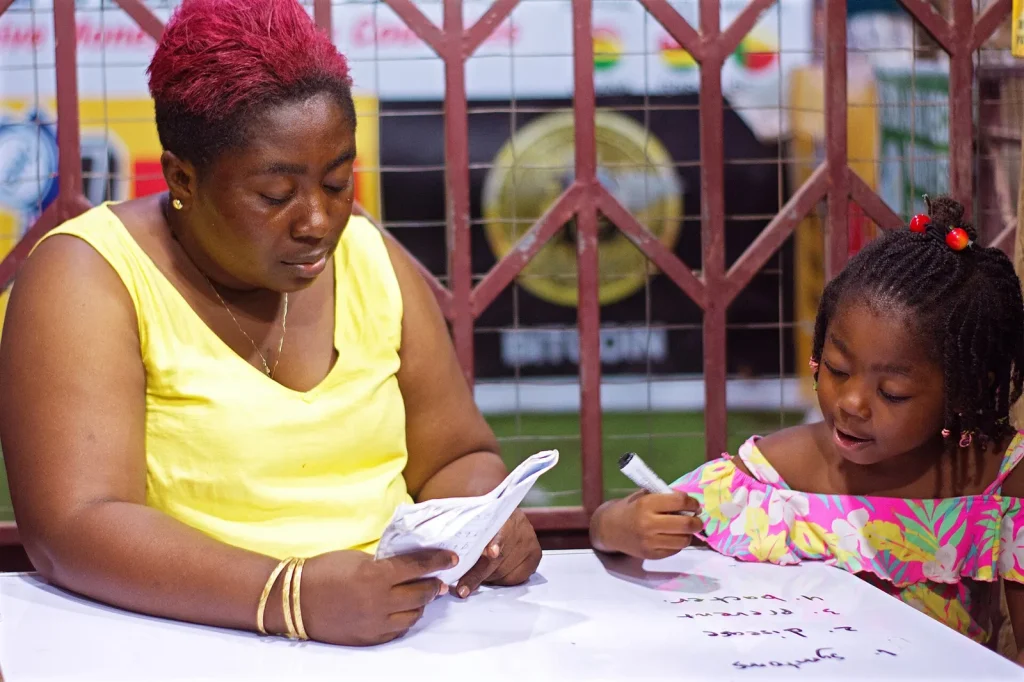
To help kids with homework, set up a regular time and a quiet space, stay nearby, ask guiding questions instead of giving answers, and encourage breaks. The goal is for children to feel capable on their own, with you as a steady support rather than the person doing the work.
Create a predictable setup
A set time and place take away a daily debate. Some children like to start straight after school with a snack; others need a break first. Try one approach for a week and notice what works.
- Choose a table with good light and little noise.
- Put away phones and turn off the TV.
- Gather pencils, paper and a water bottle before starting.
- Keep a simple wall calendar for due dates.
Screens are part of the picture, so our guide to screen time boundaries can help you decide when devices are on and off.
How to help kids with homework through questions
When a child is stuck, resist the urge to explain the whole thing. Questions invite thinking and keep ownership with the child.
- "What is the question asking you to do?"
- "What have you tried so far?"
- "Where does it stop making sense?"
- "Is there an example in your notes or textbook?"
- "What could you try next?"
If you do model a method, work a similar problem rather than the assigned one. Then let the child return to theirs.
Support or take over?
It helps to know where the line sits. The table below gives a rough guide.
| Supporting | Taking over |
|---|---|
| Asking what the task is | Writing the answer yourself |
| Pointing to notes or examples | Correcting every mistake |
| Praising effort and strategy | Praising only perfect results |
| Helping plan time | Rushing to finish for them |
Mistakes are useful information for the teacher about what a child understands. A few errors left in place are fine.
Deal with frustration and resistance
Frustration is common, and it does not mean something is wrong. Name the feeling calmly: "This looks hard. Let us take a five-minute break and come back." Short movement breaks, a drink or a snack can reset the mood.
Children differ in how they learn and focus, and some find certain subjects harder than others. If homework regularly leads to distress, speak with your child’s teacher. They can describe what they see in class and suggest next steps. Questions about learning or attention should go to qualified professionals, not to guesswork at home.
Teach planning and routines
Older children benefit from learning to plan. Show them how to list tasks, estimate time and tackle the hardest first or the quickest first, whichever suits them. Use a simple planner or a whiteboard. Younger children can use a picture checklist, like the ones in our chore charts by age guide.
Homework works best when children are rested, so a steady bedtime routine for kids supports learning too. Keep an eye on the overall load, and make space for play, meals and downtime. Browse more in the Parenting archive.
Work with the school
Check how long the teacher expects homework to take, and tell them if it consistently takes much longer. Ask how you can best help at home, and whether there are resources your child can use. Keep the tone friendly; you are on the same team.
This is general information, and children differ. It is not an educational or developmental assessment. If you have concerns about your child’s learning, speak with their teacher or another qualified professional.
When homework feels like too much
Some evenings the load is simply heavy. If your child is tired, hungry or upset, a short pause is better than a long struggle. Agree a stopping point with the teacher in advance, if possible, so you know what to do when time runs out. Notice patterns across a week: if the same subject always causes tears, mention it to the teacher. Keep the tone encouraging and avoid comparing your child with siblings or classmates. Remember that your relationship with your child matters more than any single assignment, and most teachers would rather see a calm child and an unfinished page than the reverse.
Key takeaways
- A steady time and quiet place make homework less of a fight.
- Ask guiding questions instead of giving answers.
- Praise effort and strategies, and accept some mistakes.
- Talk with the teacher when homework regularly feels too hard or too long.
Frequently asked questions
Should I check my child’s homework?
A quick look to see it is complete is fine, but let the teacher see the child’s own work, including errors.
What if I do not understand the subject?
Say so honestly and look at the textbook or notes together. Asking the teacher for resources is perfectly normal.
How long should homework take?
It varies by age and school. Ask the teacher for their expectations, and raise a concern if your child is far beyond that.
What if my child refuses to start?
Try a short break, a snack or a clear first step. If it keeps happening, discuss it with the teacher.
Photo: Homework 01 by Kwameghana(Bright Kwame Ayisi), CC0, via Wikimedia Commons