To prepare kids for a new sibling, talk about the baby in simple, honest terms, make big changes well in advance, involve your child in small jobs and protect one-on-one time. Expect mixed feelings, which are normal. Every child reacts differently, so adjust to yours.
When and how to share the news
The right moment depends on your child’s age. Toddlers have little sense of time, so telling them a few months before the birth is usually plenty. Older children can handle more notice and may want to know before they hear it from someone else.
Use plain language and keep it positive without overpromising. "There is a baby growing in my tummy, and the baby will join our family in the spring. You will be a big brother." Let them ask questions, and answer briefly and honestly.
Prepare kids for a new sibling with a timeline
| When | What to do |
|---|---|
| Early pregnancy or adoption news | Share the news in simple terms; read books about new babies |
| Mid-pregnancy | Start any big changes, such as a new bed or room move |
| Last weeks | Practice the care plan for the birth, visit the hospital if possible |
| First weeks home | Keep routines steady and plan one-on-one time |
Adoption, fostering and blended families have their own details, but the same ideas about honesty and routine usually carry over.
Make big changes early
If your older child is moving out of a cot, changing rooms, starting preschool or giving up a bottle or pacifier, do it well before the baby arrives. Otherwise the change may feel like a punishment from the newcomer.
A smooth bedtime also gives parents breathing space after the birth, so a steady bedtime routine for kids is worth building now.
Involve them in small, real ways
Children feel important when they have a role. Let them choose a baby outfit, help organise the nursery or pick a lullaby. Practise with a doll, showing how to be gentle and how to hold a baby while seated.
- Look at their own baby photos and tell stories about their first months.
- Read picture books about becoming a sibling.
- Let them help pack a hospital bag with a gift for the baby.
- Assign age-appropriate "big sibling" jobs, such as fetching a diaper.
Those little jobs can sit alongside our chore charts by age, which show what suits each stage.
Plan for the birth and first weeks
Arrange who will look after your child during the birth, and talk through the plan in advance so it feels familiar. If you can, have your child visit you and the baby soon after birth, and consider a small gift from the baby.
At home, keep daily routines as steady as you can. Visitors will often focus on the baby, so ask them to say hello to the older child first. Set aside even ten minutes a day of focused attention with each parent, and name it: "This is our special time."
Expect big feelings
Jealousy, clinginess and regression, such as wanting a bottle or having toilet accidents, are common reactions to major family changes. Stay calm, acknowledge the feeling and keep the boundaries gentle: "You are allowed to feel cross, and you are not allowed to hit. Let us find another way."
Gentle family rituals, such as a weekly outing or a story ritual, help. See family traditions ideas for starting points, and browse the Parenting archive for more.
This is general information, and children differ. It is not medical advice or a developmental or psychological assessment. If you are worried about how your child is coping, speak with a pediatrician or another qualified professional.
Support for partners and caregivers
Everyone in the home benefits from a shared plan. Talk with your partner about who handles which routines in the first weeks, and ask grandparents or friends to give the older child extra attention. Keep familiar caregivers involved, especially around bedtime and school drop-off. Give your older child a small box of special activities to use during feedings, such as a puzzle, a book or colouring. Be kind to yourself, too, as tired adults find patience harder. Asking for help is sensible, not a failure, and a steady, supported household is the best preparation your children can have.
Key takeaways
- Share the news simply and honestly, timed to your child’s age.
- Make big changes well before the baby comes.
- Give your child real, small roles and protect one-on-one time.
- Mixed feelings and temporary setbacks are common; respond with patience.
Frequently asked questions
When should I tell my toddler?
A few months before the birth is often enough, since toddlers have a limited sense of time. Use simple words and repeat them often.
What if my child seems uninterested?
That is normal. Keep the conversation light and available, and follow their cues instead of pushing.
Is regression normal?
Many children show temporary changes in behaviour after a baby arrives. Respond calmly and consult your pediatrician if you have concerns.
How can I make sure the older child feels loved?
Give regular one-on-one time, keep routines steady and notice and praise helpful or kind behaviour.
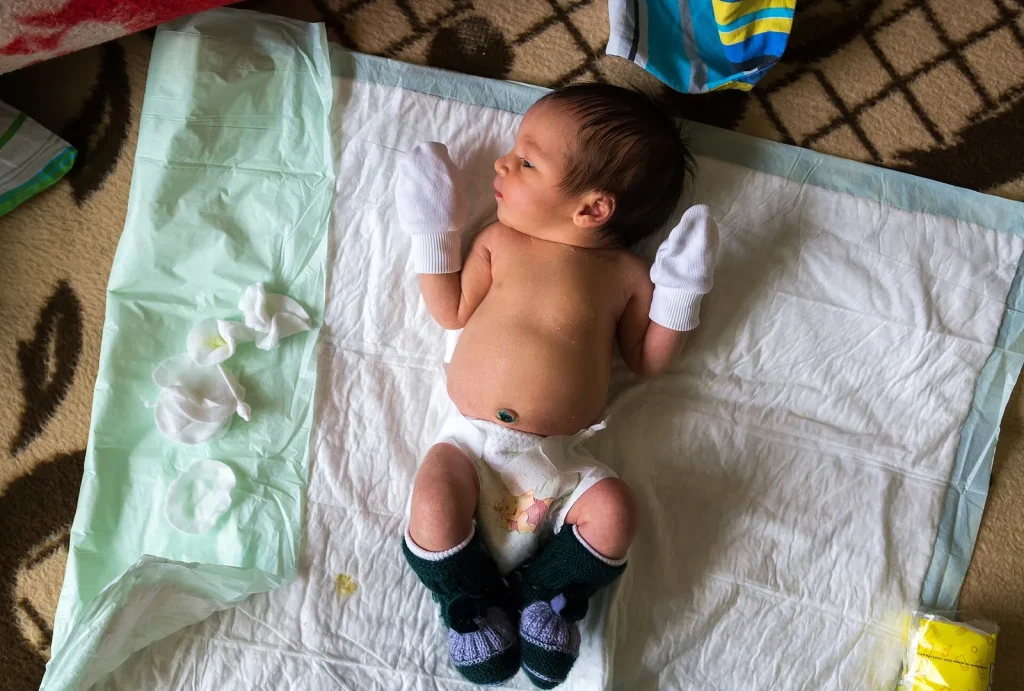
Photo: Baby care, Newborn baby girl, Moscow, Russia by Vyacheslav Argenberg, CC BY 4.0, via Wikimedia Commons