A good homeschool schedule is a steady daily rhythm, not a copy of the school timetable. Start with core subjects early in the day, keep lessons short, build in breaks, and review the plan every few weeks so it fits your family rather than the other way round.
This guide covers the basics for anyone setting up a routine for the first time.
Start with the rules where you live
Requirements for home education differ widely by country, state and region. Some places ask for notification, record keeping, set subjects or assessments, while others have few formal rules. Check the official education department website for your area before settling on a plan, and keep any records it asks for.
Choose a rhythm: fixed times or a flexible flow
Families generally lean toward one of two styles. A time-based schedule assigns subjects to clock times, which gives structure and predictability. A routine-based approach uses an ordered list, such as maths, then reading, then lunch, with no fixed times, which suits households with babies or irregular mornings.
Neither is better. Try one for a few weeks and notice what happens, then change it if the days feel rushed or aimless.
Plan around attention spans
Younger children can usually focus for only short stretches, often 10 to 20 minutes for early primary ages, while older teens can manage longer blocks. Plan lessons to match, with movement or a snack between them.
Put the subjects that demand the most concentration, often maths and writing, early in the day when energy is higher. Save hands-on, creative or outdoor work for later.
A sample week for a homeschool schedule
This outline is a starting point only. Adjust the times and subjects for your child’s age, your location and the requirements you are following.
| Time block | Monday to Thursday | Friday |
|---|---|---|
| Morning start | Maths and language arts | Maths review |
| Mid-morning | Science or history (alternating) | Library or field trip |
| After lunch | Independent reading, art or music | Projects and games |
| Late afternoon | Outdoor play, chores | Weekly review and planning |
Build in flexibility from the start
Plan loosely, record firmly
Write a plan for the week but treat it as a draft. Record what you actually did, not what you intended. That log is useful for any required reporting and shows you what really works.
Leave a buffer day
Illness, appointments and unexpected curiosity will all interrupt. An open half-day each week gives you somewhere to catch up without feeling behind.
Teach the skills behind the subjects
A schedule is only a container. What fills it matters more. Older children benefit from explicit study skills such as taking structured notes; a good starting point is our comparison of note-taking methods. Reading stamina is another skill worth building, and the tips in how to read faster with comprehension suit teens working through longer texts.
If your children are learning a foreign language at home, short daily sessions fit a homeschool day nicely. Our guide on how to learn a language offers a realistic routine.
Keep records and fill the gaps
Even in places with light regulation, a simple record is worth keeping. A weekly sheet listing subjects covered, books read and projects completed takes five minutes and gives you a portfolio over time. It also reveals gaps, such as a month with no science, before they become problems.
Include social time in the plan too. Co-ops, sports clubs, library sessions and music lessons give children contact with other learners and adults, and they break up the day nicely. Treat them as fixed appointments rather than extras.
Review and adjust
After the first month, sit down and ask what is working. Are lessons running over? Is one child restless by mid-morning? Which part of the day feels calm? Small changes, such as swapping the order of two subjects, can fix a lot.
Keep the family included in these conversations. Children who help plan their own week tend to feel more ownership of it. For more guides, see the education archive.
Key takeaways
- Check local requirements before choosing a plan.
- Pick a time-based or routine-based rhythm and test it for a few weeks.
- Match lesson length to age and put demanding subjects early.
- Leave buffer time and review the plan regularly.
Frequently asked questions
How many hours a day does home education need?
It varies with age and the rules where you live. Focused one-to-one teaching often takes less time than a full classroom day, so many families need far fewer formal hours than school.
Should I copy a school timetable?
You can use it as a reference, but it is not required. A simple rhythm with core subjects first and varied activities later often works well at home.
How do I schedule several children of different ages?
Combine subjects such as history or science when possible, and use independent work for older children while you teach the younger ones one-to-one.
What if we fall behind our plan?
Trim the plan rather than rushing. Drop lower-priority tasks for the week and use your buffer time to catch up on essentials.
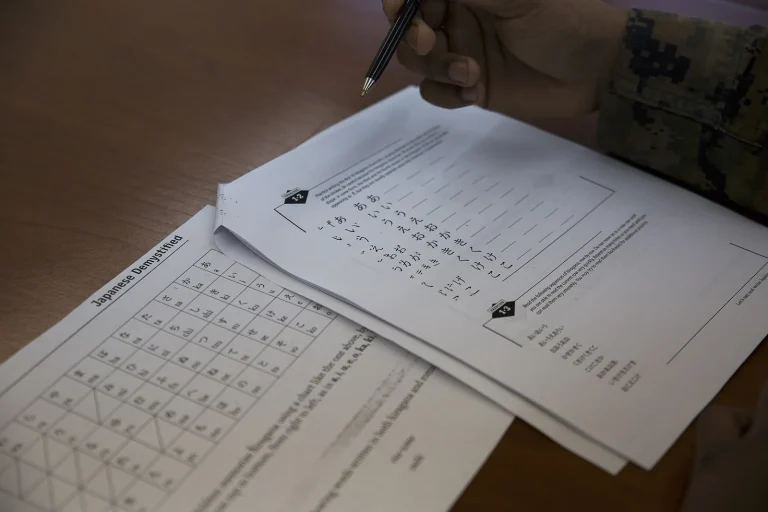
Photo: Summer Reading Program 120622-M-KI464-235 by Lance Cpl. Ali Azimi, Public domain, via Wikimedia Commons