To save energy at home, start where most of it goes: heating, cooling and hot water. Seal drafts, manage your thermostat sensibly, switch to efficient lighting and change a few daily habits. None of these steps needs special skills, and most cost little.
Understand where energy goes
In many households, space heating or cooling is the largest share of energy use, followed by water heating, then appliances and lighting. That means effort aimed at the building and the thermostat usually pays off more than unplugging a single phone charger.
If your supplier offers a smart meter or an online usage view, look at it for a week. Spotting when use peaks shows you where to focus.
Stop air leaks and add insulation
Warm air escapes through gaps around doors, windows, letterboxes, loft hatches and sockets on outside walls. Draft strips, door brushes and sealant are cheap, and fitting them is a simple weekend job.
Insulation is the bigger lever. Loft or attic insulation and wall insulation reduce heat loss, but the right type depends on the building. Ask a qualified installer or your local energy advice service for an assessment, particularly for cavity walls, flues or older properties where moisture needs careful handling. Keep ventilation in place; a sealed home still needs fresh air.
Heat and cool more wisely
- Lower the thermostat slightly; many people find a degree or two difficult to notice.
- Use a programmable thermostat or timer so heating is not on while you are out or asleep.
- Close curtains at dusk in winter and shade south-facing windows on hot days.
- Use fans in summer, since they cool people rather than rooms.
- Clean or replace heating and cooling filters on schedule.
Never block vents or place furniture directly in front of radiators. Boilers, gas appliances and flues should be serviced by a registered professional, and should never be adjusted yourself.
Easy ways to save energy at home with light and water
| Change | Why it helps |
|---|---|
| LED bulbs | Use far less electricity than older bulb types and last longer |
| Shorter showers | Cuts the amount of water you heat |
| Lower water-heater setting | Reduces standing heat loss; do not go too low, as a very low setting can encourage bacteria growth |
| Fixing dripping hot taps | Stops quiet, constant waste |
If you are unsure about the right water-heater temperature, check the manufacturer’s guidance or ask a qualified plumber.
Laundry, kitchen and electronics
Wash clothes at lower temperatures when the load allows, run full loads, and air-dry when the weather is kind. Dishwashers are usually more efficient when fully loaded. Keep fridge and freezer door seals clean, and leave space behind them for airflow.
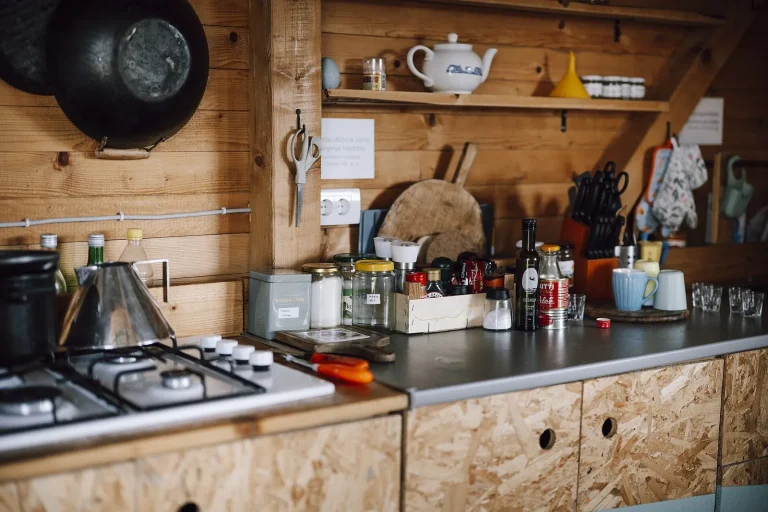
Devices left on standby draw small amounts all day. A switched power strip makes it easy to turn off a group of items, such as a TV and consoles, in one go. A tidy, planned kitchen also helps; our guide to organizing a small kitchen includes ideas for keeping the fridge uncluttered and efficient.
Outside and over the year
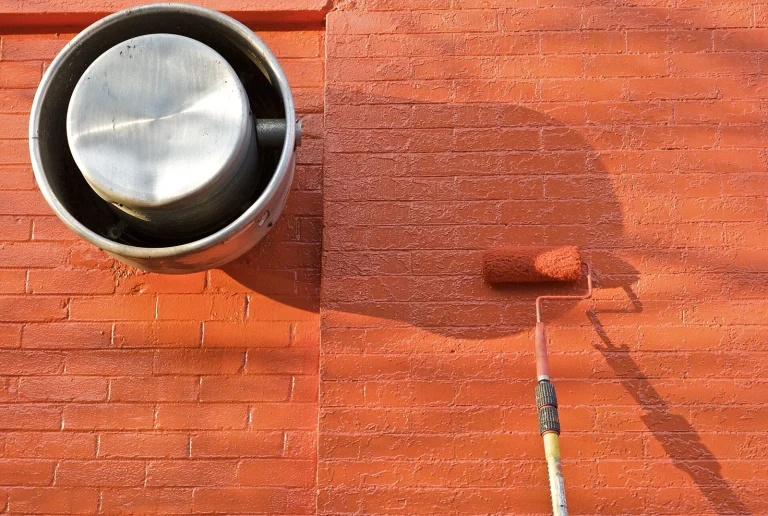
Trees and shrubs provide shade in summer, and keeping gutters and roof edges in good order protects insulation from damp. Your seasonal home maintenance checklist is a handy place to schedule filter changes, seal checks and boiler servicing. When repainting, light colours reflect more light, reducing the need for lamps, as noted in our painting guide. For further reading, visit the Home & Garden category.
This is general information, not professional advice. Electrical, gas and heating work, and decisions about insulation or ventilation, should be handled by a licensed professional.
Track the results
Saving energy is easier to keep up when you can see it working. Note your meter reading at the same time each week, or compare bills across similar months while allowing for weather. Change one thing at a time, such as a thermostat setting or a new door seal, so you can judge whether it helped. Involve the household: a quick chat about turning off lights, shortening showers and closing doors goes a long way. Celebrate small wins rather than chasing perfection. Habits that are comfortable are the ones that last, and comfort matters, so avoid cutting back so far that the home feels unpleasant. Gradual, steady changes usually beat dramatic short-lived ones.
Key takeaways
- Heating, cooling and hot water usually account for the biggest share of use.
- Draft-proofing and insulation reduce the load before anything else.
- LEDs, timers and smarter laundry habits all add up.
- Use licensed professionals for gas, electrical and structural work.
Frequently asked questions
What is the easiest first step?
Seal obvious drafts around doors and windows, and swap any remaining old bulbs for LEDs. Both are cheap and quick.
Does turning the heating off and on use more energy?
It depends on the home and system. A timer matched to your routine is generally better than leaving heating running all day without need.
Is it worth unplugging devices?
It helps a little, mostly for devices with standby draw. Grouping them on a switched strip is the easiest approach.
Should I install insulation myself?
Some types suit DIY, but ventilation and moisture need care. Ask an accredited installer for advice on the right approach for your property.
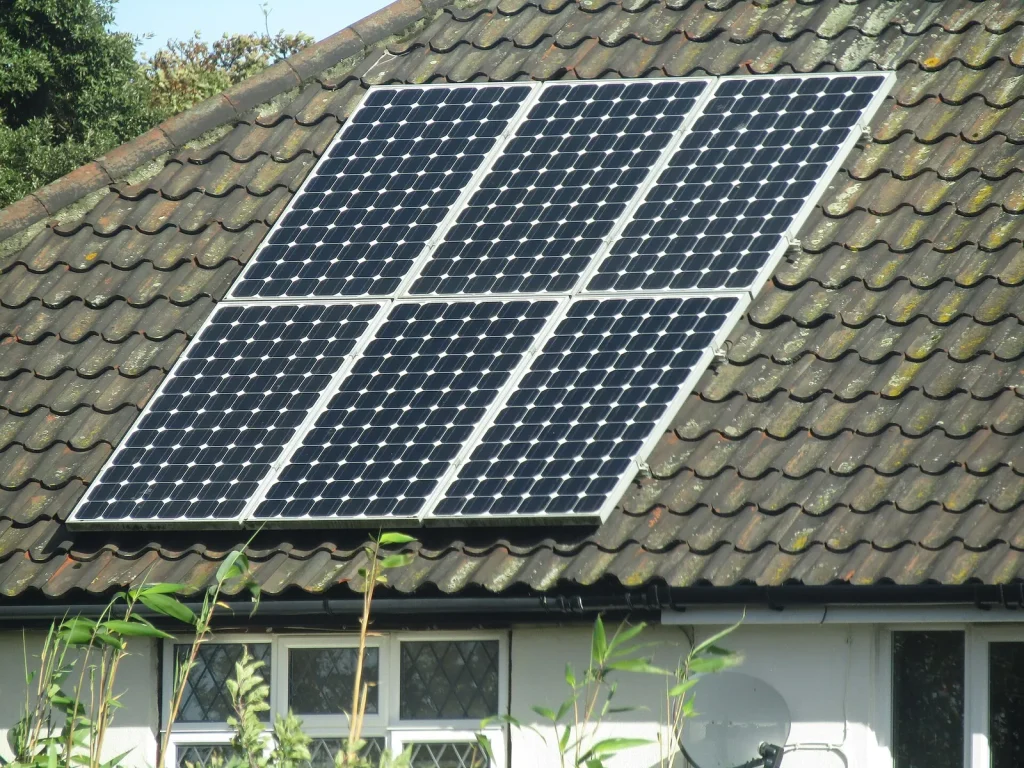
Photo: -2019-09-26 Solar panels on a roof of a house on Overstrand road, Cromer by Kolforn (Kolforn) I'd appreciate if you could mail me (Kolforn@gmail.com) if you want to u, CC BY-SA 4.0, via Wikimedia Commons