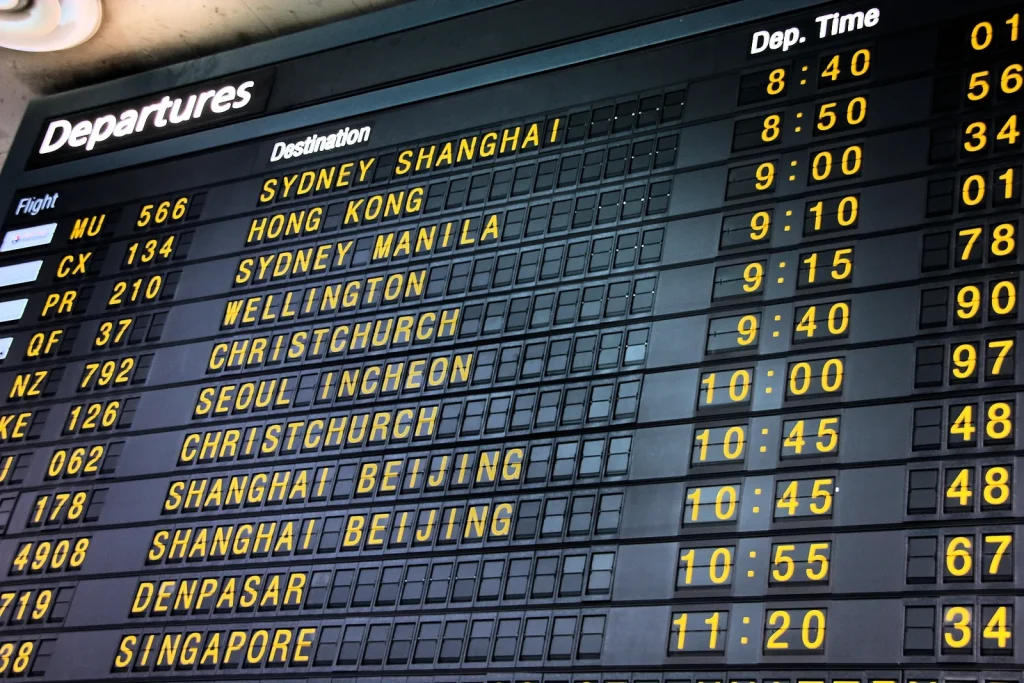
The best airport tips come down to three habits: arrive with a comfortable buffer, prepare your bag and documents before the security line, and know where you are going next. Do those, and most airport stress disappears.
Airports reward preparation. Almost every common frustration, from long lines to missed boarding calls, is easier to avoid than to fix at the last minute.
Before you leave home
Check in online as soon as it opens, and save your boarding pass to your phone. A screenshot is a good backup if the airline app fails or your signal drops.
Read the airline’s rules on carry-on size, checked-bag allowances and prohibited items. Rules differ among airlines and countries, so look them up rather than relying on past trips. If you want the smallest bag possible, our guide on how to pack light shows how.
Documents to have within reach
- Passport or accepted photo ID
- Boarding pass, digital or printed
- Any required travel authorizations for your destination, checked with official sources
- Your hotel address and booking reference
- A charged phone and a portable battery
Timing your arrival
Arrival timing depends on airport size, airline, time of day and whether you are flying internationally. Many airlines publish a recommended window, and following it is wise, particularly if you need to check a bag.
Peak travel days, such as the start of school holidays, are slower. Add extra time then, and consider traveling at off-peak hours, when queues are shorter and prices are often easier to manage.
Moving through security calmly
Get ready while you are still in line, not at the tray. Take out any items you must show separately, empty your pockets into your bag, and wear shoes and belts that are easy to remove if your airport requires it.
Rules about liquids, electronics and shoes vary a lot across countries. Check the departure airport’s current guidance rather than assuming it matches the last airport you used.
Useful airport tips for a long wait
Once you are through, find your gate first, then look for food, water and a seat near an outlet. Gates sometimes change, so keep an eye on the screens or the app.
- Bring an empty reusable bottle and fill it after security.
- Carry snacks to avoid paying airport rates.
- Use the airport’s wifi cautiously and avoid entering sensitive information on open networks.
- Walk around, as long sitting is hard on the body, especially before a long flight.
If you are crossing many time zones, these habits pair well with advice from our jet lag basics guide.
Handling connections and delays
A connection is only as safe as its length. Short layovers can work, but a longer one gives you a margin if the first flight runs late, particularly when you have to change terminals or clear immigration.
| Situation | Smart first move |
|---|---|
| Flight delayed | Check the app, then ask staff about onward options |
| Flight canceled | Rebook through the app or desk right away |
| Missed connection | Go to the transfer desk, not the main queue |
| Lost bag | File a report before leaving the airport |
Keep medication, chargers, a change of underwear and valuables in your carry-on in case the checked bag arrives late. For longer trips, travel insurance basics are worth understanding before something goes wrong.
After landing
Before you leave the terminal, confirm how you will get to your accommodation. Official taxi ranks, public transport and pre-arranged transfers are usually safer and clearer than accepting offers from strangers in the arrivals hall.
Keep your bag zipped and in front of you in crowded areas. For more guides on getting around, visit the travel category.
Key takeaways
- Check in online and keep a backup of your boarding pass.
- Follow your airline’s guidance on arrival times and add a buffer on busy days.
- Prepare for security before you reach the front of the line.
- Choose longer connections when you can, and keep essentials in your carry-on.
Frequently asked questions
How early should I arrive at the airport?
There is no universal answer, because it depends on the airport, the airline and whether the flight is domestic or international. Check your airline’s guidance, and add extra time if you are checking a bag or traveling in a busy season.
Is it worth checking in online?
Usually yes. Online check-in saves time at the airport, lets you choose or confirm a seat, and keeps your boarding pass on your phone. Screenshot it in case of a signal problem.
What should I do if my flight is canceled?
Speak to the airline desk or use its app straight away to be rebooked, because seats fill quickly. Keep receipts for any extra costs, and check your airline’s passenger policy about assistance.
How can I make a short connection?
Know your arrival and departure gates before landing, move straight away, and tell a crew member if you are worried. Booking longer connections in the first place is the safest solution.
Photo: 47 Airport departures board free photo – Melbourne Airport timetable – Creative Commons… by Marek Ślusarczyk (Tupungato) Photo portfolio, CC BY 3.0, via Wikimedia Commons