Travel insurance basics come down to this: a policy is a contract that may reimburse certain costs if something goes wrong before or during a trip, such as illness, cancellation, delay or lost baggage. What it covers depends entirely on the wording, so reading it matters more than the price.
This guide stays general on purpose. Policies, limits and rules differ widely by country and provider, so use it to learn the vocabulary and the right questions, not to choose a product.
What travel insurance generally covers
Most policies are built from a few building blocks. Some are included as standard and others are optional add-ons.
| Type of cover | What it usually relates to |
|---|---|
| Trip cancellation or interruption | Prepaid costs when a covered reason forces you to cancel or cut short |
| Medical expenses | Treatment costs while away, sometimes including transport home |
| Baggage and belongings | Loss, theft or damage, usually with per-item limits |
| Travel delay | Extra costs when a delay passes a set number of hours |
| Emergency assistance | A phone line that helps arrange care or logistics |
Whether any of these fit your trip depends on what you stand to lose. A cheap weekend getaway has a different risk profile than a long, prepaid trip abroad.
Why people buy it
The main appeal is protection against large, uncertain costs. Medical care in another country can be expensive and sometimes confusing, and prepaid bookings are often hard to recover if plans change.
That is why insurance often shows up alongside the other money topics in our budget travel guide. It is a way to turn an unpredictable risk into a known cost.
Common exclusions to look for
Policies rarely cover everything. The exclusions section is where many surprises live, so read it before you pay.
- Pre-existing medical conditions, which may be excluded or need to be declared
- Activities listed as high-risk, such as certain adventure sports
- Cancellations for reasons not on the policy’s approved list
- Items left unattended or valuables above a stated limit
- Claims linked to events that were already known when you bought the policy
Terms such as “excess” or “deductible” describe the amount you pay before the insurer pays. Lower excess often means a higher premium, and the reverse is also true.
Learning travel insurance basics: how to compare policies
Comparing by price alone is a common mistake. Compare what is covered, the limits, the excess, and the claims process.
- List your trip details: destination, length, activities, and total prepaid cost.
- Check what you already have through a credit card, a health plan or an employer.
- Compare limits for medical care, cancellation and belongings.
- Read the exclusions and the definition of a pre-existing condition.
- Note the assistance phone number and how claims must be filed.
Many policies include a short review period after purchase, sometimes called a free-look period, but this varies. Check the exact terms in your documents.
Make the policy work for you
Keep a digital copy of your policy and the emergency number somewhere offline-accessible, and share it with a family member. If you are traveling alone, the safety habits in our solo travel safety guide pair neatly with this.
If something happens, document it. Take photos, keep receipts, and ask for written reports from the airline, hotel or police when the policy requires them. Our airport tips include what to do about a delayed or lost bag.
This article gives general information only. It is not financial, insurance or legal advice, and policy terms vary. Read your policy carefully and consult a qualified professional or the insurer about your specific situation.
More planning advice is in the travel category.
Key takeaways
- A policy is a contract, and its exact wording decides what is covered.
- Main building blocks are cancellation, medical, baggage, delay and assistance.
- Exclusions and excess matter as much as the price.
- Check existing cover from cards or health plans before buying more.
- Keep documents and emergency numbers accessible while traveling.
Frequently asked questions
Is travel insurance mandatory?
Usually it is a personal choice, though some destinations or trip operators may require proof of cover. Check official sources and your booking terms for anything that applies to you.
When should I buy a policy?
Many people buy soon after booking, because some benefits, such as cancellation cover, depend on when the policy starts. Read the policy wording to see the exact rules.
Does my credit card or health plan already cover me?
Some do offer limited protection, but terms, limits and locations differ. Review your existing coverage before you decide whether you need more.
What should I do if I need to make a claim?
Contact the insurer as soon as it is safe to do so, keep receipts and reports, and follow the claim steps in your policy. Prompt, well-documented claims tend to go more smoothly.
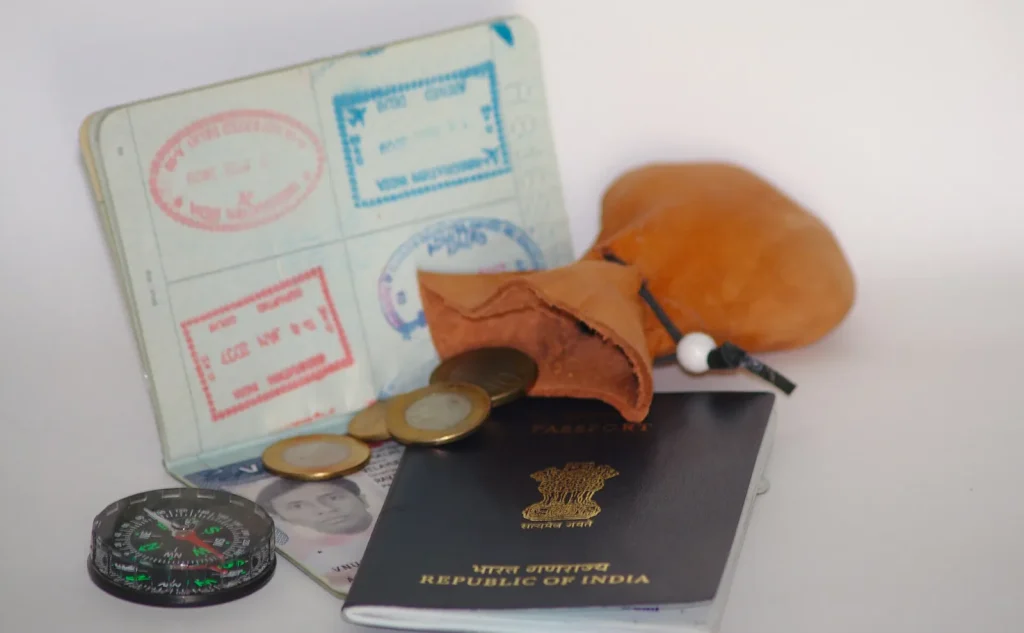
Photo: Travel by Ravi Kumar, CC BY 3.0, via Wikimedia Commons