Meal prep basics come down to three steps: plan a few meals, shop once, and cook components in a single session so weeknight dinners need only assembling. A beginner can finish a useful prep in about 90 minutes on a weekend afternoon.
You do not need to cook every meal in advance. Prepping parts, such as grains, a roasted tray of vegetables and a sauce, is flexible and keeps food from getting boring.
Choose your style
There is more than one way to prep. Pick what fits your week.
- Full meals: portioned dishes like chilli, curry or pasta bake, ready to reheat.
- Components: cooked grains, proteins and vegetables you mix and match.
- Ingredient prep: washed salad greens, chopped vegetables, marinated protein.
- Freezer batches: double a recipe and freeze half for a busy week.
Beginners often do best with components, since the same pot of rice or tray of vegetables can become three different meals.
Meal prep basics, step one: plan
Look at the week ahead. Which nights are busy? Choose three or four dinners and a couple of lunches. Write a shopping list based on what you already have. A well-stocked cupboard makes planning far easier, and the staples we suggest below work for nearly any plan.
A short pantry list
- Rice, pasta, oats and canned beans or lentils
- Canned tomatoes and stock
- Olive oil, vinegar, soy sauce and a few spices
- Onions, garlic and potatoes
- Frozen vegetables and fruit
Step two: shop and sort
Shop with your list and buy in sensible quantities. Stick to produce you will realistically use. When you get home, wash and dry vegetables and store them where you can see them.
Step three: cook in an efficient order
Here is a sample 90-minute session for a week of easy meals.
- Heat the oven and put a tray of chopped root vegetables on to roast. Our one-pan chicken dinner uses the same method.
- Start a pot of rice or other grain.
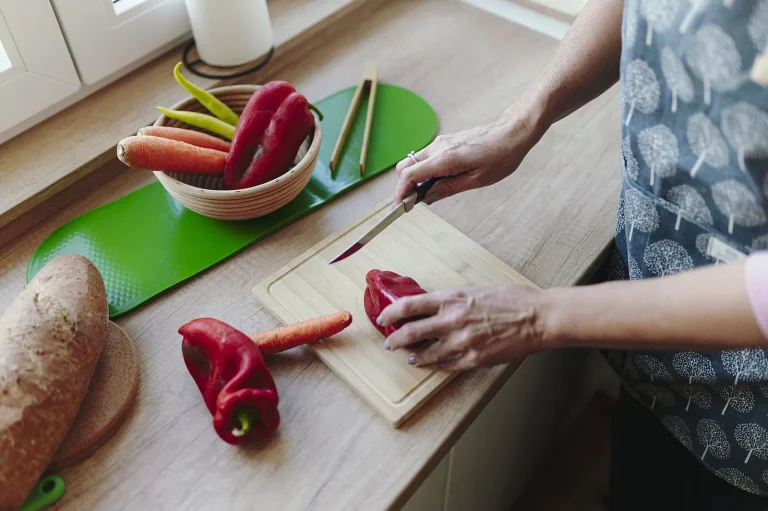
- While those cook, chop onions, peppers and carrots for the rest. Good knife skills speed this up a lot.
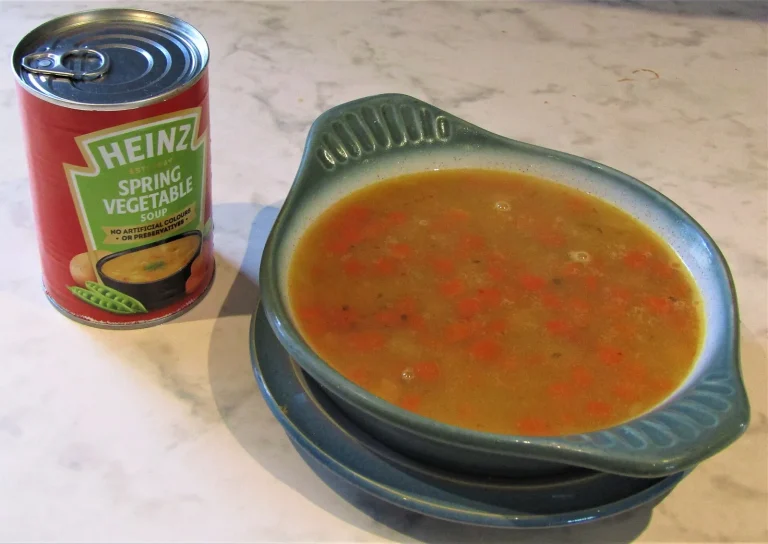
- Simmer a big pot of soup, chilli or sauce, such as our easy vegetable soup.
- Cook a protein: bake chicken thighs, boil eggs or fry tofu.
- Make a dressing and wash salad greens.
- Cool everything, portion into containers and label with the date.
Sample week
| Day | Meal | Prepped parts used |
|---|---|---|
| Monday | Chicken, rice and roasted vegetables | Chicken, rice, vegetables |
| Tuesday | Vegetable soup and bread | Soup |
| Wednesday | Burrito bowl | Rice, beans, chopped veg |
| Thursday | Pasta with vegetable sauce | Sauce, roasted veg |
| Friday | Fresh pizza night | Frozen dough |
Store it safely
Food safety matters more when you cook in batches. Cool hot food quickly by spreading it in shallow containers, then refrigerate within two hours. Many guidelines suggest eating cooked leftovers within three to four days. Freeze what you will not use by then. Reheat until steaming hot throughout.
- Rice should be cooled quickly and refrigerated promptly, because it can carry bacteria that survive cooking.
- Label containers with the date.
- Keep raw and cooked foods separate.
Our hand washing and food safety checklist goes into this in more detail. Freezer-friendly options include soups, sauces and the homemade pizza dough.
Allergen and labelling tips
When you cook for a household, keep track of common allergens, such as milk, eggs, wheat, soy, nuts, fish and shellfish. Use clear labels and separate containers for anyone with an allergy, and wash utensils thoroughly in between.
Make it fit your life
Meal prep is a tool, not a rulebook. If you only have time to cook a pot of beans and chop some vegetables, that still helps. If you live alone, halve recipes or freeze portions so you are not facing the same dish for six days. If your household has different tastes, prep plain components and let everyone add their own sauces.
Try to leave one or two nights unplanned for leftovers, takeaways or spontaneous cooking, so the plan feels like support rather than pressure.
Common mistakes
Prepping too much is the usual trap. Start with two or three recipes and see how much you really eat. Another is cooking everything the same way, which leads to boredom by Thursday. Add variety with sauces, herbs, pickles and toppings that you add on the day.
Key takeaways
- Prep components rather than full meals for flexibility.
- Plan three or four dinners, not seven.
- Cool and store food promptly; eat within three to four days or freeze.
- Keep a simple pantry so you can improvise.
More kitchen guides await in our food and recipes category.
Frequently asked questions
How long does meal prep take?
A beginner session often takes 60 to 90 minutes, and gets faster with practice.
What containers should I use?
Glass or sturdy plastic containers with tight lids work well. Choose microwave-safe and freezer-safe options.
Can I freeze meal-prepped food?
Many cooked dishes freeze well, including soups, stews and sauces. Cool them first, and thaw in the fridge before reheating.
How do I stop meals from getting boring?
Prep plain components and vary sauces, spices and toppings each day.
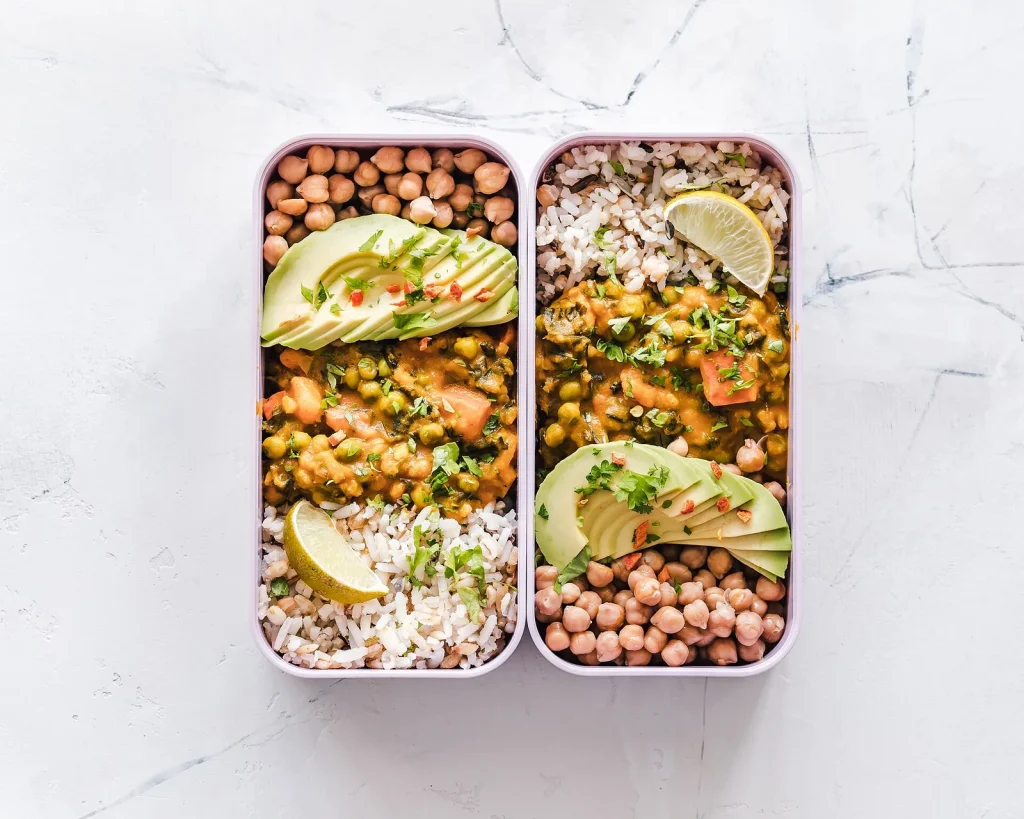
Photo: Meal prep container by Ella Olsson from Stockholm, Sweden, CC BY 2.0, via Wikimedia Commons