A one-pan chicken dinner means chicken thighs and chunky vegetables roast together on a single tray, so you get a full meal with about 15 minutes of prep and one dish to wash. This version takes roughly 45 minutes in the oven and works with whatever vegetables you have.
The method is forgiving, but a few details, like cutting sizes and oven heat, make the difference between golden and soggy.
Why a one-pan chicken dinner works
Roasting at a high temperature browns the surface of both meat and vegetables. The chicken releases savoury juices that flavour the vegetables beneath it, and the vegetables catch the fat and turn crisp at the edges. There is no sauce to make and no second pot.
Ingredients (serves 4)
- 8 bone-in, skin-on chicken thighs (about 1.2 kg / 2.5 lb)
- 600 g / 1 lb 5 oz baby or waxy potatoes, halved
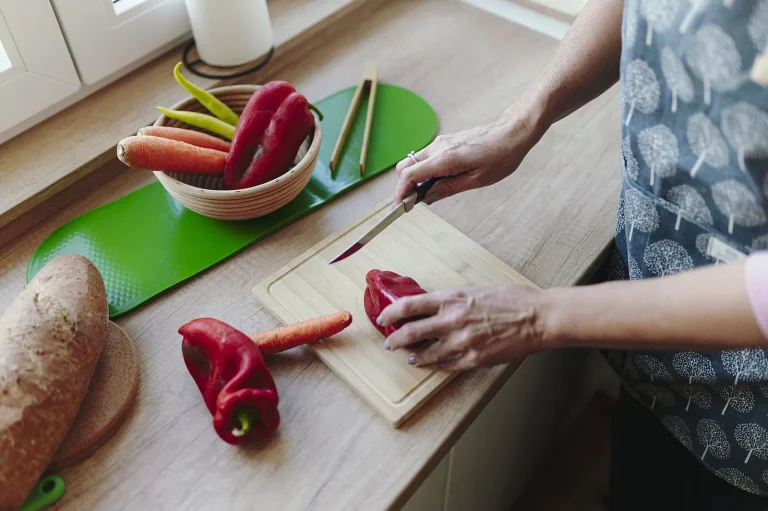
- 3 carrots (about 300 g / 10 oz), cut into thick batons
- 2 red peppers (bell peppers), cut into large pieces
- 1 red onion, cut into wedges
- 4 tablespoons (60 ml) olive oil
- 2 teaspoons smoked paprika
- 1 teaspoon dried oregano or thyme
- 1 teaspoon fine salt, plus black pepper
- 4 garlic cloves, left unpeeled and lightly crushed
- 1 lemon, halved
Allergens: this recipe as written is free from the major allergens, but check your spice blends and chicken seasoning for hidden ingredients.
Method
- Heat the oven to 220 C (425 F), or 200 C fan. Place a large, rimmed baking tray inside to warm for 5 minutes.
- Pat the chicken dry with kitchen paper. Dry skin browns far better than wet skin.
- In a bowl, toss the potatoes, carrots, peppers and onion with 3 tablespoons of the oil, half the salt and a good grind of pepper.
- Rub the chicken with the remaining oil, paprika, herbs and the rest of the salt.
- Carefully remove the hot tray. Spread the vegetables across it in one layer, then nestle the chicken on top, skin side up, leaving small gaps. Tuck in the garlic.
- Roast for 40 to 45 minutes, until the skin is golden and the potatoes are tender. Turn the tray once halfway if your oven has hot spots.
- Check the thickest part of a thigh with a thermometer. It should reach 74 C (165 F), and the juices should run clear.
- Squeeze the lemon over everything, rest for 5 minutes and serve.
Timing and sizing guide
| Ingredient | Cut size | Roast time |
|---|---|---|
| Potatoes | Halved, 3 cm / 1 in pieces | 40-45 minutes |
| Carrots | Thick batons | 35-40 minutes |
| Peppers, onion | Large chunks | 30-35 minutes |
| Broccoli florets | Medium | Add for last 15 minutes |
| Zucchini (courgette) | Thick slices | Add for last 20 minutes |
Swaps and variations
Different proteins
Boneless thighs take about 25 to 30 minutes, and chicken breasts around 20 to 25 minutes, so add the vegetables first and the meat later. Sausages or salmon fillets also roast well on the same tray. Always cook to the recommended safe temperature for the protein you choose.
Other flavours
Try cumin and coriander with sweet potatoes, or rosemary and lemon zest with new potatoes. A spoonful of mustard rubbed under the skin adds a gentle tang, but note that mustard is a recognised allergen in some countries.
Tips for a crisp tray
- Do not crowd the tray. Use two trays if needed, since steam is the enemy of browning.
- Cut hard vegetables smaller than soft ones.
- Pat everything dry before oiling.
- Rest the chicken for 5 minutes so the juices settle.
Handle raw chicken carefully, washing your hands and surfaces afterwards. Our hand washing and food safety checklist covers the essentials.
Storing and reheating
Cool leftovers within two hours and refrigerate in a covered container for up to three or four days. Reheat until steaming hot throughout. The leftovers are handy for lunches; see our meal prep basics for ways to portion them. Chopping everything evenly is easier with sound technique, so our knife skills guide is worth a read too.
A fresh side makes it feel complete, and one of our seasonal salads pairs nicely.
Key takeaways
- Pre-heat the tray and dry the chicken for browning.
- Cut vegetables to a similar size, or add quicker ones later.
- Cook the chicken to 74 C (165 F) at the thickest point.
- Do not overcrowd the pan.
More dependable home-cooking ideas live in our food and recipes archive.
Frequently asked questions
Can I use frozen vegetables?
Yes, though they release more water and will not brown as well. Roast them straight from frozen on a hot tray and add them toward the end.
What can I use instead of chicken thighs?
Chicken breasts, sausages, firm tofu or salmon all work, but adjust the timing for each one.
Do I need to line the tray?
Baking paper makes cleaning easier but can slightly reduce browning. Use it if you prefer, and keep it away from the oven’s heating element.
How do I know the chicken is cooked?
Use a thermometer: 74 C (165 F) in the thickest part, with clear juices and no pink meat.
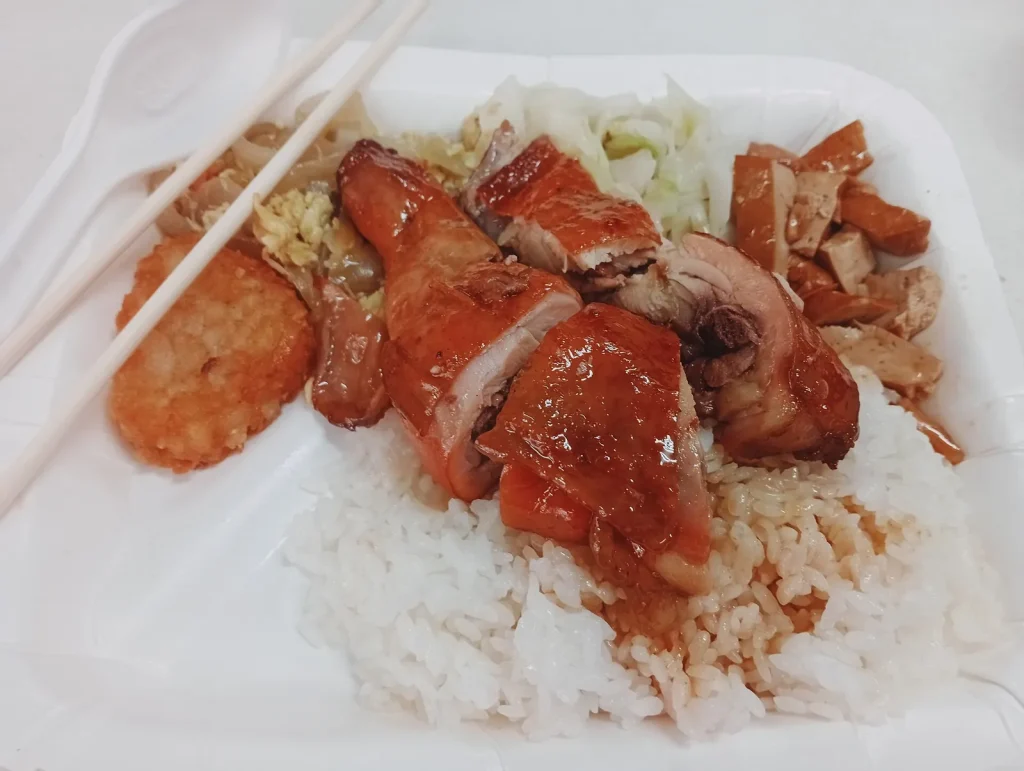
Photo: Roasted Chicken, Vegetables, Hashbrown Meal by Ralff Nestor Nacor, CC BY-SA 4.0, via Wikimedia Commons