To start a vegetable garden, choose a spot with six to eight hours of direct sun, begin with a small bed of roughly four by eight feet, and plant forgiving crops such as lettuce, radishes and bush beans. Everything else is refinement. Here is how the decisions usually unfold, in the order you will face them.
Choose the right spot first
Sunlight matters more than anything else. Fruiting crops like tomatoes, peppers and squash want six to eight hours of direct light a day, while leafy greens put up with a little shade.
Spend a day watching the space before you commit. Note where shadows fall in the morning, at noon and in the late afternoon. Then look for a tap or rain barrel nearby, because a garden you have to haul water to is a garden that gets skipped in July.
Pick a bed style
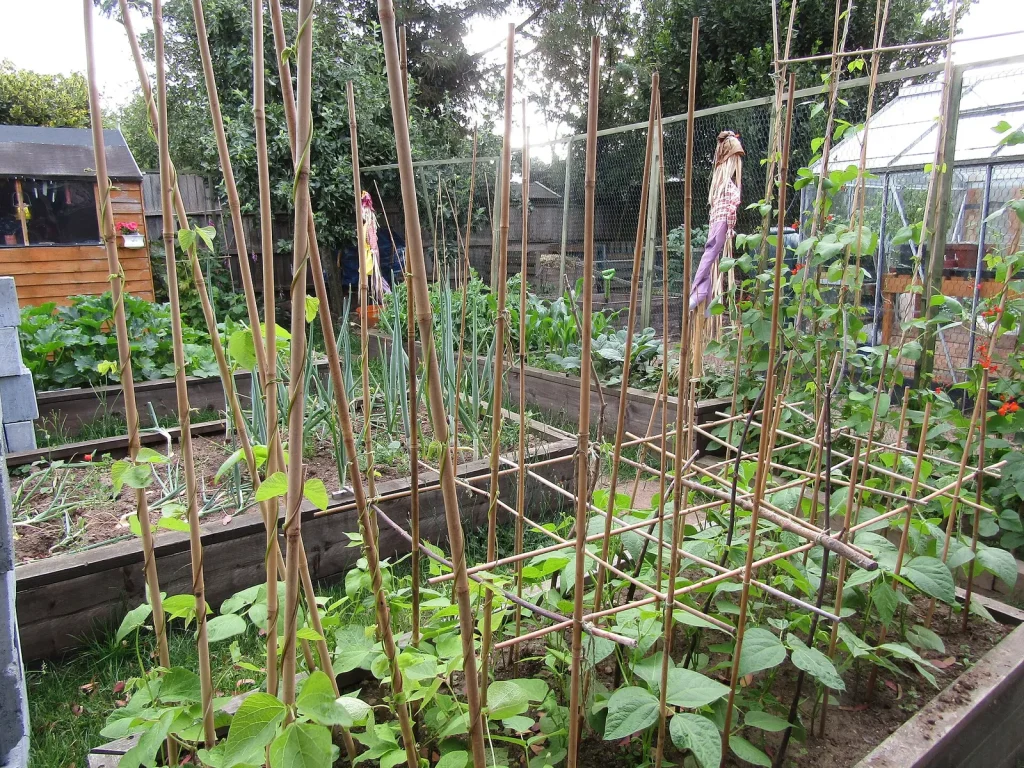
You can plant straight into the ground, build a raised bed, or use large containers. Each suits a different yard and a different back.
| Style | Works well when | Main trade-off |
|---|---|---|
| In-ground | You have open space and decent soil | More weeding and soil work |
| Raised bed | Soil is poor or compacted | Cost of the frame and fill |
| Containers | You have a patio or balcony | Dries out quickly, limited root room |
For most beginners, one raised bed is the easiest win. It drains well, stays tidy and keeps the whole project a manageable size.
Prepare the soil before you plant
Good vegetable soil is dark, crumbly and smells earthy rather than sour. Remove turf and stones, loosen the top spade-depth of ground, then spread two to three inches of compost over the surface and mix it in. If you would like to make your own, composting basics for beginners covers the essentials.
Before any serious digging, find out what lies underground. Contact your local utility-locating service (in the US, dial 811) so you do not hit a buried line.
Choose beginner-friendly crops
Success in the first season builds confidence, so lean toward plants that forgive mistakes.
- Lettuce and salad greens: quick to grow and happy in cooler weather.
- Radishes: among the fastest crops, often ready in three to four weeks.
- Bush beans: productive, no staking needed.
- Cherry tomatoes: generous yields and tolerant of uneven care.
- Zucchini: one or two plants usually feed a household.
- Herbs such as chives and parsley: useful, compact and easy.
Check the seed packet for sowing dates, since they depend on your local last frost date. Your regional extension service or gardening club can tell you yours.
Start a vegetable garden on a small budget
You do not need much. A hand trowel, a watering can or hose with a gentle nozzle, a pair of gloves and a few seed packets will carry you through the first season. Seeds are far cheaper than transplants, and swapping extras with neighbours costs nothing.
Skip gadgets until you know what you actually reach for. Many gardeners find the trowel and a sharp pair of scissors do most of the work.
Water, mulch and watch
A common rule of thumb is about an inch of water a week, counting rainfall. Water deeply and less often rather than a little every day, which encourages deeper roots. Aim at the base of the plants in the morning so leaves dry quickly.
Spread two inches of mulch, such as straw or shredded leaves, around plants to hold moisture and suppress weeds. Then walk the bed every few days. Small problems, like a chewed leaf or a wilting seedling, are easy to fix when caught early.
A simple first-weekend plan
- Pick the sunniest spot and mark out the bed.
- Clear the surface and loosen the soil.
- Mix in compost and level the bed.
- Sow quick crops and set out a few transplants.
- Water gently and add mulch.
Once the season winds down, tidy the bed as part of your seasonal home maintenance checklist. If outdoor space is tight, a few houseplants for low light can scratch the same itch indoors. More ideas live in our Home & Garden archive.
Keep a garden notebook
Jot down what you planted, when, and how it did. A simple notebook or phone note becomes your most useful gardening tool, because it records what your own soil and weather actually did. Note the dates of the first and last frost, which varieties tasted best and where pests appeared. Next season you can rotate crops, since moving plant families to a new spot each year helps limit disease and soil tiredness. Photos help too. Do not be discouraged by failures; every gardener loses a crop now and then, and each loss teaches something. By the second year you will plan with real knowledge rather than guesses.
Key takeaways
- Sun and water access decide where the bed goes.
- Start small; one bed is plenty for a first year.
- Feed the soil with compost, not just the plants.
- Choose easy crops and follow local planting dates.
Frequently asked questions
How big should a first vegetable garden be?
A bed around four by eight feet is a common starting size. It is big enough to grow a real variety of crops and small enough to keep weeded and watered.
When is the best time to plant?
It depends on your climate and the crop. Cool-season greens go in early in spring, while tomatoes and beans wait until after your last frost.
Do I need to buy special soil?
Not always. Native soil improved with compost works for many gardeners, though raised beds are usually filled with a blend of topsoil and compost.
Can I grow vegetables in pots?
Yes. Choose containers with drainage holes and large enough for the crop, and expect to water more often because pots dry out faster.
Photo: -2020-07-01 Vegetable garden with raised beds, Trimingham, Norfolk by Kolforn (Kolforn) I'd appreciate if you could mail me (Kolforn@gmail.com) if you want to u, CC BY-SA 4.0, via Wikimedia Commons