The most reliable picky eater tips are low-pressure ones: offer new foods alongside familiar ones, keep offering them without forcing, eat together and involve children in cooking. Many children are wary of new foods at some stage, and patience usually helps more than pressure.
Why children get picky
Plenty of young children are cautious about unfamiliar foods, and tastes can shift from week to week. Appetite also varies from day to day, so a child who barely eats at lunch might eat well at dinner.
Each child is different, so treat the ideas below as options to try. If you are concerned about growth, weight or a very limited diet, talk to your pediatrician or another qualified professional rather than guessing.
Split the responsibilities
A widely used approach is a division of roles. The adult decides what, when and where food is served. The child decides whether to eat and how much from what is offered. This takes away power struggles, since nobody is being made to take a bite.
- Serve meals and snacks at regular times so children arrive hungry.
- Limit grazing and drinks between meals.
- Include at least one food on the table you know your child will eat.
- Avoid separate meals made to order.
Picky eater tips that build familiarity
Children often need many exposures to a new food before they accept it, so a refusal is not a final verdict. Keep serving small portions without commentary.
- Put a tiny amount of the new food on the plate beside a safe food.
- Let them touch, smell or simply look at it.
- Offer it again on another day, prepared the same way or differently.
- Eat it yourself and enjoy it, without any fuss.
- Celebrate curiosity, such as a lick or a sniff, rather than only swallowing.
Ideas that lower the pressure
| Idea | How it helps |
|---|---|
| Deconstructed meals | Lets children pick items from separate components |
| Dips and sauces | Gives control and familiar flavours |
| Child-sized portions | A small serving feels less overwhelming |
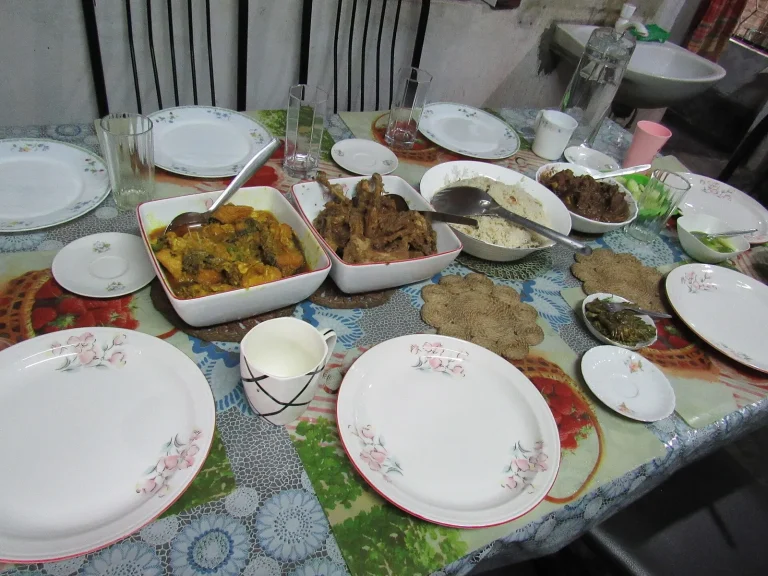
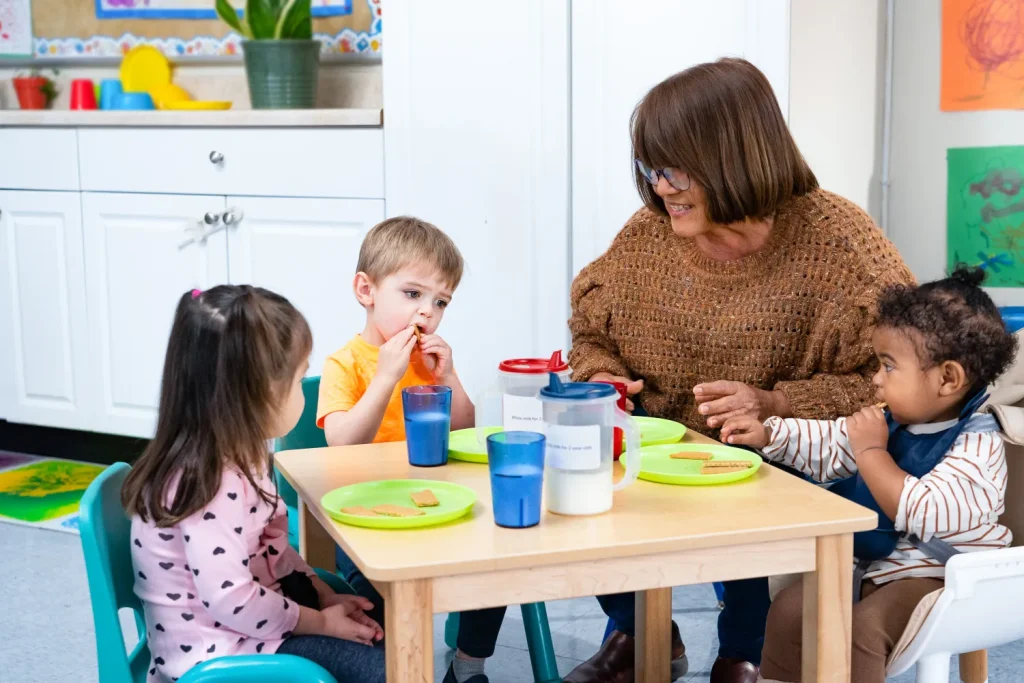
| Family-style serving | Children serve themselves from shared dishes |
Avoid labelling a child as "picky" in front of them, and skip bribes, such as dessert for finishing vegetables, which can make dessert more precious and vegetables a chore. Neutral language, such as "you do not have to eat it," keeps the table calm.
Get children involved
Children are often more willing to try food they helped make. Let them wash vegetables, stir a pot, pick a recipe or choose a fruit at the shop. If you have a garden or even a windowsill herb pot, picking something they grew can be exciting, and our guide to starting a vegetable garden has easy crops for small hands. A small task fits well with an age-appropriate job from our chore charts by age guide.
Make the table a pleasant place
Mealtimes go better when screens are off, everyone sits together and the conversation is about anything except how much is eaten. Regular shared meals can also become a cherished habit, which ties into family traditions ideas such as a weekly pizza night or a Sunday breakfast. Our Parenting archive has more practical guides.
This is general information, and children differ. It is not medical or nutritional advice, and it does not diagnose any feeding or developmental condition. If you worry about your child’s eating, growth or allergies, consult a pediatrician or registered dietitian.
Be patient with the process
Progress with food is often slow and uneven. A child might eat a new food happily on Tuesday and refuse it on Friday, and that is part of the pattern. Keep your own mealtime expectations modest, and focus on the long run rather than any single plate. Notice small steps, such as sitting at the table, touching a new food or helping to cook. Look after your own stress too, since children pick up on tension at the table. Many families find that, over time and with regular, relaxed meals, the range of accepted foods slowly grows. If it does not, a professional can offer tailored support.
Key takeaways
- Offer new foods many times, in tiny portions, with no pressure.
- Parents choose what, when and where; children choose whether and how much.
- Cooking together and eating together build curiosity.
- Check in with a professional if you have health or growth concerns.
Frequently asked questions
How many times should I offer a new food?
Often many times. Repeated, low-pressure exposure is the pattern most families find helpful, though there is no fixed number.
Should I hide vegetables in other foods?
It can add nutrition, but it is also worth serving vegetables openly so children learn what they look like and taste like.
Is it okay if my child skips a meal?
An occasional skipped meal is usually not a problem, since appetite varies. Offer the next meal or snack at the usual time.
When should I see a doctor?
If you notice weight loss, very limited eating, gagging or distress at meals, speak with your pediatrician.
Photo: Family Style Meal Service With Children in the CACFP by USDAgov, Public domain, via Wikimedia Commons