Good youth sports etiquette means cheering positively, leaving coaching to the coach, respecting officials and letting children own their experience. If the sideline stays calm and encouraging, kids enjoy the game more and are more likely to keep playing.
Why youth sports etiquette matters
Young players are learning skills, teamwork and how to handle winning and losing. Adults set the tone for all three. A loud sideline can make a mistake feel enormous, while a supportive one lets a child try, fail and try again. Children also notice how adults treat the other team, so modelling good manners teaches sportsmanship better than any lecture.
Volunteer coaches and referees are often parents or teenagers themselves, and many leagues struggle to recruit them. Treating them kindly helps keep the whole programme running. A simple thank you at the end of a season goes a long way, and a good number of volunteers say appreciation is why they return.
A sideline checklist
Keep this list in your head, or on your phone, before each match.
- Cheer for effort and good play on both teams.
- Avoid shouting instructions. Mixed messages from the sideline confuse players.
- Never criticise a child, whether yours or someone else’s, within earshot.
- Accept referee decisions without comment, even when you disagree.
- Stay in the spectator area and leave the bench to the coach.
- Arrive on time, bring water and pick up your rubbish.
Talking with coaches
Coaches are balancing many children, different skill levels and limited practice time. If you have a concern about playing time or a child’s wellbeing, raise it respectfully at a calm moment, not during or right after a game. Many leagues suggest waiting twenty-four hours.
Questions that work well
Ask what your child can work on, rather than why they did not play more. Share anything the coach should know, such as a recent injury, a tough week at school or nerves about a new team. It invites a constructive answer and shows you are on the same team.
The ride home
Many young athletes say the car journey after a game is the hardest part. Resist the urge to replay every mistake. A simple opener such as “I loved watching you play” gives your child room to talk about the game if they want to.
If they do want to analyse it, let them lead. Ask what they enjoyed, and let the rest go.
Parents, players and coaches: who does what
| Role | Main job | Leave to others |
|---|---|---|
| Parent | Support, transport, encouragement | Tactics and selection |
| Coach | Teaching, safety, fair participation | Behaviour of spectators |
| Official | Applying the rules fairly | Coaching players |
| Player | Effort, enjoyment, learning | Adult expectations |
Handling tough moments
Disagreements happen. If emotions rise, step away from the sideline for a few minutes. Most leagues have a code of conduct, and many publish a 24-hour rule or a spectator pledge, so read yours when you sign up.
Keep conversations about other people’s children respectful and avoid comparing players. Kids develop at different speeds, with growth spurts and confidence arriving on their own schedule, and early success is not a reliable sign of later ability. Some children want to try several sports before settling on one, and that is healthy.
It also helps to know the sport yourself. Parents new to a game can learn the basic rules of soccer, basketball and baseball so they can follow along and avoid yelling about a call they do not understand. If you want to get involved, you might even help start a casual local league or volunteer for a team role.
This article is general information about sideline behaviour, not professional parenting, medical or legal advice. For concerns about a child’s wellbeing or safety, speak with a qualified professional or your league’s safeguarding contact.
Key takeaways
- Cheer, don’t coach, from the sideline.
- Respect referees and volunteers.
- Raise concerns privately and calmly, after a pause.
- Keep the ride home positive and low pressure.
- Remember the goal is enjoyment and growth.
Find more community-sport guides in our sports archive.
Frequently asked questions
Is it okay to give my child tips during a game?
It is better to save advice for practice or a calm moment afterwards. During a game, extra instructions can compete with the coach and distract your child.
What should I do if I disagree with a referee?
Stay quiet and let the match continue. If the issue is serious, raise it with the league through the proper channel after the game.
How do I talk to a coach about playing time?
Request a short chat at a calm time, not right after the match. Ask what your child can work on and listen to the reply.
What should I say after a loss?
Keep it simple and warm. Say you enjoyed watching, then let your child decide whether they want to talk about the game.
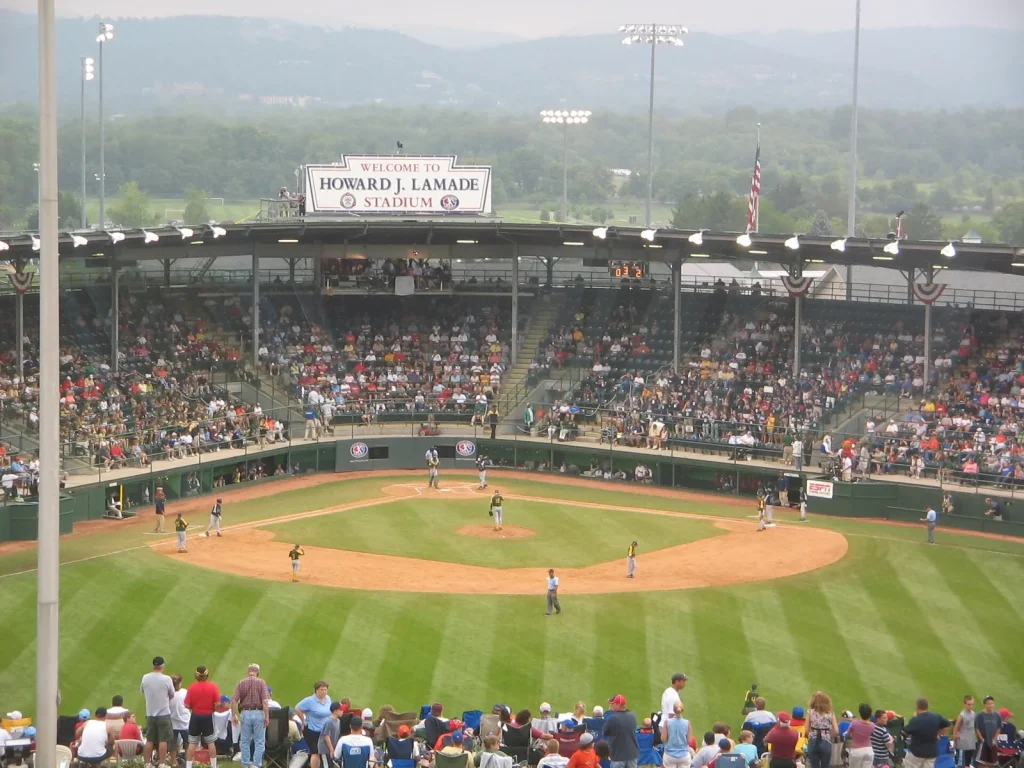
Photo: Little League World Series Game 1 by Ruhrfisch, CC BY-SA 3.0, via Wikimedia Commons